
- Details
- 2026-10-28 17:00:31
Uncategorised
- Details
CALAVERX – Dunkelheit aus Mexiko
Darkwave, Post-Punk und elektronische Schatten aus Mexico City
Es gibt Musik, die einfach dunkel klingt. Und dann gibt es Musik, bei der man merkt, dass die Dunkelheit nicht nur ein Stilmittel ist. CALAVERX aus Mexico City gehört für mich eher zur zweiten Kategorie.

Das Projekt entstand 2020 zunächst als Solo-Projekt von Manuel Ruiz, der bereits mehr als 15 Jahre Erfahrung aus der Punk-Szene mitbrachte. Die Gitarren und Verzerrer wurden zur Seite gelegt und durch Synthesizer, Drum Machines und elektronische Sounds ersetzt. Aus Punk wurde Darkwave, aus Distortion wurden kalte Synths und aus der bisherigen musikalischen Vergangenheit entstand etwas deutlich Eigenständigeres.
Heute wird CALAVERX als Band aus Mexico City beschrieben, mit Manuel Synth an Gesang und Synthesizern sowie weiteren Musikern für Synths, Schlagzeug und visuelle Elemente. Musikalisch bewegt sich das Projekt zwischen Darkwave, Coldwave, Post-Punk, New Wave, Synth und elektronischer Musik.
Dunkle Musik mit mexikanischer Seele
Was CALAVERX für mich interessant macht, ist nicht nur der Sound. Es ist die Tatsache, dass hier keine Kopie europäischer Gothic- oder Darkwave-Musik entsteht.
Die Songs werden auf Spanisch gesungen und tragen deutlich ihre Herkunft mit sich. Dabei geht es häufig um Beziehungen, Einsamkeit, Wut, Enttäuschung, gesellschaftliche Realität und persönliche Abgrenzung. Das kann sehr direkt sein, manchmal bitter, manchmal fast zynisch.
Und dann gibt es Stücke wie „Tenochtitlan“, in denen CALAVERX Geschichte und Gegenwart miteinander verbindet. Der Song beschäftigt sich mit der Eroberung Mexikos und der Zerstörung indigener Kulturen. Das dazugehörige Video wurde 2022 in Mexico City gedreht und als konzeptionelles Video angelegt.
Von Punk zu Synthesizern
Ich finde gerade diesen musikalischen Wandel spannend. Manuel Ruiz kommt nicht aus dem Nichts mit einem Synthesizer um die Ecke und nennt das Ganze plötzlich Darkwave. Die Punk-Vergangenheit ist weiterhin spürbar.
Nur die Werkzeuge haben sich verändert.
Statt Gitarren stehen heute Synthesizer und Drum Machines im Mittelpunkt. Dazu kommen tiefe Vocals, pulsierende Rhythmen und diese typische kalte Atmosphäre zwischen Coldwave und Post-Punk.
Das erste selbstbetitelte CALAVERX-Album erschien 2023 und verbindet laut eigener Beschreibung Dark Wave, Post-Punk, Techno und Minimal Wave. Es enthält zehn Tracks und wurde auch physisch veröffentlicht.
„México“
Besonders interessant finde ich „México“, das 2024 erschienen ist.
Der Song blickt kritisch auf bestimmte gesellschaftliche und politische Zustände Mexikos und verbindet diese Kritik mit einer bewusst satirischen Herangehensweise. CALAVERX beschreibt den Titel selbst als eine Erinnerung an bestimmte Aspekte des Landes in den 1990er- und 2000er-Jahren.
Damit wird auch deutlich, dass CALAVERX seine dunkle Musik nicht ausschließlich als ästhetische Spielerei versteht. Die elektronische Oberfläche ist dunkel, aber darunter steckt durchaus etwas Beobachtendes und Wütendes.
Eine Szene, die sich weiterbewegt
CALAVERX ist außerdem ein gutes Beispiel dafür, dass die mexikanische Gothic-, Darkwave- und Post-Punk-Szene alles andere als ein abgeschlossenes Kapitel ist.
Aktuelle Berichte aus Mexico City beschreiben CALAVERX als Teil einer Szene, die in den vergangenen Jahren neue Aufmerksamkeit bekommen hat und zunehmend auch international unterwegs ist. Dabei wird die Band ausdrücklich mit der Verbindung von elektronischer dunkler Musik, Darkwave und Post-Punk in Verbindung gebracht.
Genau solche Projekte finde ich spannend: Musik, die ihre Wurzeln kennt, aber nicht versucht, einfach alte europäische Szeneformeln nachzuspielen.
Mein Einstieg
Wer CALAVERX bisher nicht kennt, kann mit „Tenochtitlan“, „México“ oder „Acércate“ anfangen. „Tenochtitlan“ zeigt die historische und konzeptionelle Seite des Projekts, „México“ die gesellschaftlich-satirische und „Acércate“ wiederum die persönlichere, emotionalere Seite.
Danach lohnt sich der Blick auf das selbstbetitelte Album von 2023. Dort bekommt man ein wesentlich besseres Gefühl dafür, wie CALAVERX verschiedene Facetten von Darkwave, Post-Punk, Coldwave und elektronischer Musik miteinander verbindet.
Für mich ist CALAVERX genau die Art von Projekt, die man nicht einfach unter „Goth aus Mexiko“ ablegen sollte. Hier trifft Punk-Vergangenheit auf Synthesizer, mexikanische Realität auf europäisch klingende Dunkelheit und persönliche Geschichten auf elektronische Kälte.
CALAVERX klingt nicht nach importierter Dunkelheit. CALAVERX klingt nach Dunkelheit, die aus Mexico City kommt.
Facebook:
https://www.facebook.com/calaverx
YouTube:
https://www.youtube.com/
Instagram:
https://www.instagram.com/calaverxx
Bandcamp:
https://calaverx.bandcamp.com/
CALAVERX – Darkness from Mexico
Darkwave, Post-Punk and electronic shadows from Mexico City
There is music that simply sounds dark. And then there is music where you can feel that the darkness isn't just an aesthetic. CALAVERX from Mexico City belongs to the second category for me.
The project started in 2020 as a solo project by Manuel Ruiz, who already had more than 15 years of experience in the punk scene. The guitars and distortion were pushed aside and replaced by synthesizers, drum machines and electronic sounds. Punk turned into Darkwave, distortion became cold synths, and a long musical background developed into something much more individual.
Today, CALAVERX is presented as a Mexico City band featuring Manuel Synth on vocals and synthesizers, alongside other musicians contributing synths, drums and visual elements. Musically, the project moves between Darkwave, Coldwave, Post-Punk, New Wave, Synth and electronic music.
Dark music with a Mexican soul
What makes CALAVERX interesting to me isn't only the sound. It's the fact that this doesn't simply feel like a copy of European Gothic or Darkwave music.
The songs are performed in Spanish and clearly carry their place of origin with them. The themes often revolve around relationships, loneliness, anger, disappointment, social reality and personal boundaries. Sometimes it is direct, sometimes bitter, sometimes almost cynical.
And then there are tracks like “Tenochtitlan”, where CALAVERX connects history and the present. The song deals with the conquest of Mexico and the destruction of Indigenous cultures. The accompanying video was filmed in Mexico City in 2022 and developed as a conceptual piece.
From punk to synthesizers
I find this musical transformation particularly interesting. Manuel Ruiz didn't simply come out of nowhere with a synthesizer and suddenly decide to call it Darkwave. The punk background is still there.
Only the tools have changed.
Instead of guitars, synthesizers and drum machines now take centre stage. Add deep vocals, pulsing rhythms and that cold atmosphere somewhere between Coldwave and Post-Punk.
The self-titled CALAVERX album was released in 2023 and combines Dark Wave, Post-Punk, Techno and Minimal Wave. The album contains ten tracks and was also released physically.
“México”
One track I find particularly interesting is “México”, released in 2024.
The song takes a critical look at certain social and political conditions in Mexico and combines that criticism with a deliberately satirical approach. CALAVERX itself describes the track as a reminder of certain aspects of the country during the 1990s and 2000s.
It also makes something else clear: CALAVERX doesn't treat dark music purely as an aesthetic exercise. The electronic surface may be dark, but underneath it there is something observant, critical and angry.
A scene that keeps moving
CALAVERX is also a good example of the fact that Mexico's Gothic, Darkwave and Post-Punk scene is anything but a closed chapter.
Recent coverage of Mexico City has described CALAVERX as part of a scene that has gained new attention in recent years and is increasingly reaching audiences outside Mexico as well. The band is specifically associated with the connection between dark electronic music, Darkwave and Post-Punk.
That is exactly the kind of project I find interesting: music that knows where it comes from, but doesn't try to simply reproduce old European scene formulas.
My way in
If you don't know CALAVERX yet, I'd start with “Tenochtitlan”, “México” or “Acércate”. “Tenochtitlan” shows the historical and conceptual side of the project, “México” the socially critical and satirical side, while “Acércate” reveals a more personal and emotional dimension.
After that, the self-titled 2023 album is worth exploring. It gives you a much better sense of how CALAVERX combines different sides of Darkwave, Post-Punk, Coldwave and electronic music.
For me, CALAVERX is exactly the kind of project that shouldn't simply be filed away as “Goth from Mexico”. This is where a punk background meets synthesizers, Mexican reality meets European-sounding darkness, and personal stories meet electronic coldness.
CALAVERX doesn't sound like imported darkness. CALAVERX sounds like darkness coming from Mexico City.
- Details
Gürel – Sweet Sense of Comfort
Zwischen Istanbul, Paris und dem Versuch, ein Stück Leichtigkeit zurückzubekommen
Mit 25 Jahren ist Gürel von Istanbul nach Paris gezogen, um seinen lang gehegten Traum zu verfolgen: Musik zu machen. Viel mehr braucht es eigentlich gar nicht für eine Geschichte, die sofort nach Nachtfragment klingt. Ein junger Musiker, eine neue Stadt, elektronische Musik und die Frage, was eigentlich mit diesem Gefühl von Sicherheit passiert, das man als Kind einmal ganz selbstverständlich hatte und irgendwann unterwegs verliert.
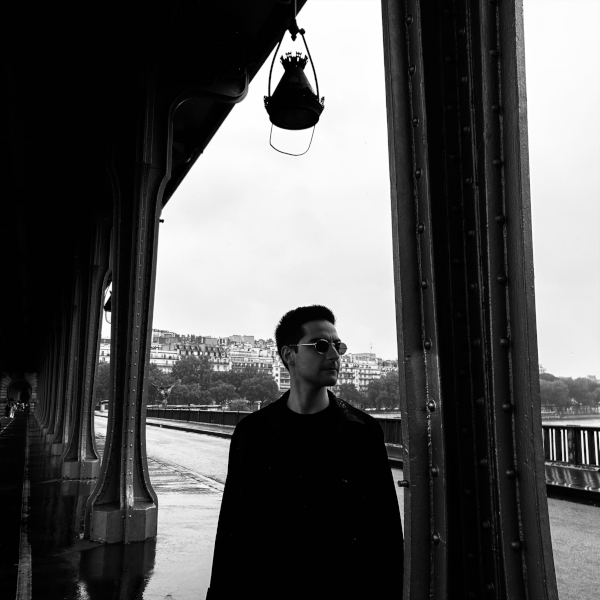
Am 25. September erscheint seine zweite Single „Sweet Sense of Comfort“ – ein Dark-Synthpop-Track, der genau diesem Gefühl nachgeht. Nicht nostalgisch im klassischen Sinn, sondern eher aus einer erwachsenen Perspektive heraus: Man erinnert sich daran, wie leicht sich die Welt einmal angefühlt hat, während man gleichzeitig weiß, dass man nicht einfach dorthin zurückkehren kann.
Und genau diese Spannung steckt auch in der Musik.
Von der Distanz zur Wärme
„Sweet Sense of Comfort“ beginnt bewusst distanziert und fast robotisch. Die ersten Momente wirken kühl, zurückgenommen und ein wenig verloren. Es ist die musikalische Entsprechung zu diesem Gefühl, wenn einem die Welt zu viel wird und man sich nach einem Ort sehnt, an dem für einen Moment einfach nichts passieren muss.
Doch der Song bleibt nicht dort.
Im zweiten Teil wird die Musik wärmer und energetischer. Ein treibenderer Charakter entsteht und schließlich taucht sogar ein energiegeladenes Orgelsolo auf. Auch die Texte folgen dieser Bewegung. Aus der anfänglichen Hoffnungslosigkeit entwickelt sich langsam eine Form von Akzeptanz – und die Erkenntnis, dass die Zukunft vielleicht nicht weniger beängstigend wird, man aber lernen kann, nicht ständig Angst vor ihr zu haben.
Das finde ich an dem Konzept interessant: Der Song versucht nicht einfach, die Vergangenheit zurückzuholen. Er akzeptiert vielmehr, dass man erwachsen geworden ist.
Ein bisschen Depeche Mode steckt natürlich darin
Gürel nennt Depeche Mode als seinen größten musikalischen Einfluss. Besonders die Atmosphäre von „Ultra“ und die Eingängigkeit von „Playing the Angel“ sind für ihn wichtige Bezugspunkte.
Das passt durchaus zu dem, was er über „Sweet Sense of Comfort“ beschreibt. Diese Verbindung aus elektronischer Kühle, Melodie, Dunkelheit und emotionaler Direktheit gehört schließlich zu den Dingen, die auch bei Depeche Mode immer wieder funktionieren.
Daneben nennt Gürel Nine Inch Nails, Aphex Twin, David Bowie, Brian Eno und New Order. Damit wird auch deutlich, dass sein musikalischer Horizont nicht ausschließlich innerhalb des klassischen Synthpop liegt. Industrial, elektronische Experimente, Atmosphäre, Sounddesign und Songwriting gehören genauso zu seinem musikalischen Werkzeugkasten.
Und vielleicht ist genau diese Mischung der spannendere Ansatz, als einfach nur einen weiteren Depeche-Mode-inspirierten Synthpop-Act daraus zu machen.
Musik aus dem Kleiderschrank
Eine kleine Geschichte aus der Entstehung von „Sweet Sense of Comfort“ gefällt mir besonders.
Aufgenommen wurde der Song in einem Kleiderschrank.
Gürel und seine Freundin lebten für zwei Monate in einem gerade einmal 12 Quadratmeter großen Airbnb-Zimmer. Irgendwo zwischen improvisiertem Homestudio, Kleidung und sehr wenig Platz entstand dort dieser Track.
Das ist natürlich kein spektakuläres Studio-Märchen. Eigentlich ist es genau das Gegenteil. Und gerade deshalb passt es gut zu einem jungen Musiker, der seine Musik offenbar nicht aus perfekten Bedingungen heraus entwickelt, sondern aus dem, was gerade möglich ist.
Paris, zwölf Quadratmeter, ein Kleiderschrank und ein Song über das Bedürfnis nach Sicherheit. Manchmal braucht es tatsächlich nicht mehr.
Zwischen Istanbul und Paris
Gürels Geschichte beginnt in Istanbul und führt ihn nach Paris. Zwei Städte, die musikalisch und kulturell kaum unterschiedlicher sein könnten, aber beide eine enorme Dichte und Geschichte besitzen.
Dabei geht es bei ihm nicht darum, möglichst groß oder möglichst spektakulär aufzutreten. Seine Musik scheint zunächst viel stärker nach innen gerichtet zu sein. „Sweet Sense of Comfort“ beschäftigt sich mit einem sehr persönlichen Gefühl, das gleichzeitig ziemlich universell ist: dem Wunsch, für einen Moment wieder nicht alles tragen zu müssen.
Das macht den Song für mich interessant. Dunkle Musik muss nicht immer von Verfall, Tod oder völliger Hoffnungslosigkeit erzählen. Manchmal reicht auch die Erkenntnis, dass Erwachsenwerden bedeutet, mit Dingen leben zu lernen, die man früher einfach noch nicht kannte.
Mein Einstieg
„Sweet Sense of Comfort“ ist natürlich der naheliegende Einstieg in Gürels Musik. Nicht nur, weil es seine zweite Single ist, sondern weil der Song ziemlich genau beschreibt, wo er musikalisch gerade steht: Dark Synthpop mit einer elektronischen, leicht kühlen Oberfläche, dahinter aber viel Melodie und eine persönliche Geschichte.
Was daraus noch entsteht, wird interessant zu beobachten sein. Gürel steht noch ziemlich am Anfang seines Weges. Und vielleicht ist genau das der spannende Punkt: Hier versucht gerade jemand, aus Einflüssen, einem neuen Leben in Paris und seinen eigenen Erfahrungen einen Sound zu entwickeln.
Kein fertiger Entwurf. Eher ein Musiker, der gerade anfängt, seine eigene Sprache zu finden.
Gürel sucht nicht die Vergangenheit zurück. Er versucht herauszufinden, wie sich ein bisschen Sicherheit in der Gegenwart anfühlen kann.
YouTube:
https://www.youtube.com/@gurelmusic
Instagram:
https://www.instagram.com/gurelmusic/
Gürel – Sweet Sense of Comfort
Between Istanbul, Paris and the attempt to find a little bit of lightness again
At 25, Gürel left Istanbul and moved to Paris to pursue something he had wanted for a long time: making music. That alone already sounds like the beginning of a Nachtfragment story. A young musician, a new city, electronic music and the question of what actually happens to that feeling of safety we once took for granted as children, only to somehow lose it along the way.
On September 25, Gürel releases his second single, “Sweet Sense of Comfort” – a dark synthpop track about exactly that feeling. It is not nostalgia in the traditional sense. It is more about looking back at childhood from an adult perspective: remembering a time when the world somehow felt lighter, while knowing that you cannot simply go back there.
And that tension is at the heart of the song.
From distance to warmth
“Sweet Sense of Comfort” begins in a deliberately distant, almost robotic space. The opening feels cold, restrained and slightly lost. It sounds like that moment when the world becomes too heavy and you start craving a place where, just for a moment, you don't have to carry everything.
But the song doesn't stay there.
The second half becomes warmer and more energetic. The momentum changes, the track opens up and eventually an energetic organ solo takes over. The lyrics follow a similar progression. What begins in hopelessness gradually moves towards acceptance – and towards the idea that the future may not become less frightening, but perhaps you can learn not to be constantly afraid of it.
That is what I find interesting about the song. It isn't simply trying to bring the past back. It accepts that you have grown up.
Of course, there is a little Depeche Mode in there
Gürel describes Depeche Mode as his biggest musical influence. In particular, the atmosphere of “Ultra” and the catchiness of “Playing the Angel” have been important reference points for his own music.
That makes sense when you look at what he is trying to do with “Sweet Sense of Comfort”. The combination of electronic coldness, melody, darkness and emotional directness is something Depeche Mode have been exploring in different ways for decades.
But Gürel's influences don't stop there. He also names Nine Inch Nails, Aphex Twin, David Bowie, Brian Eno and New Order. That says quite a bit about the musical space he is working in. This isn't simply about classic synthpop. Industrial music, electronic experimentation, atmosphere, sound design and songwriting all play a part.
And perhaps that combination is more interesting than simply creating another Depeche Mode-inspired synthpop project.
Music made in a wardrobe
There is one little detail about the creation of “Sweet Sense of Comfort” that I particularly like.
The song was recorded in a wardrobe.
Gürel and his girlfriend were staying for two months in a temporary Airbnb room measuring just 12 square metres. Somewhere between improvised studio equipment, clothes and very little space, this track came together.
It isn't some spectacular studio story. Quite the opposite. And that is exactly why it fits.
Sometimes you don't get perfect conditions. Sometimes you just have a tiny room, a wardrobe and an idea that refuses to go away.
Paris, twelve square metres, a wardrobe and a song about wanting to feel safe again. Sometimes that's enough.
Between Istanbul and Paris
Gürel's story begins in Istanbul and continues in Paris. Two cities with very different cultural and musical identities, but both with an enormous sense of history and atmosphere.
What interests me is that his music doesn't seem to be about trying to make the biggest possible statement. “Sweet Sense of Comfort” is much more inward-looking. It takes a very personal feeling and turns it into something that is surprisingly universal: the desire to stop carrying the weight of everything, if only for a moment.
Dark music doesn't always have to be about decay, death or complete hopelessness. Sometimes it can simply be about realizing that growing up means learning to live with things you didn't have to understand as a child.
My way in
“Sweet Sense of Comfort” is obviously the place to start with Gürel. Not only because it is his second single, but because it gives a pretty clear impression of where he is musically right now: dark synthpop with a cool electronic surface, plenty of melody underneath and a very personal story at its centre.
It will be interesting to see where he takes this next. Gürel is still at the beginning of his journey, and perhaps that is exactly what makes it interesting. He is taking his influences, his new life in Paris and his own experiences and trying to turn them into something that belongs to him.
It doesn't feel like a finished blueprint yet. More like a musician beginning to find his own language.
Gürel isn't trying to bring the past back. He is trying to figure out what a little bit of safety can feel like in the present.
- Details
The Drug Apostles – Sermons in Noise
Punk, Industrial und der Sound einer ziemlich kaputten Welt
Manche Musik will schön sein. Manche will düster sein. Und dann gibt es Musik, die einfach klingt, als hätte jemand beschlossen, den ganzen verdammten Lärm der Welt direkt in einen Verstärker zu stecken.
The Drug Apostles gehören für mich ziemlich eindeutig in die letzte Kategorie.

Das Projekt aus Iola, Kansas bewegt sich zwischen Punk, Industrial, Post-Punk, Industrial Rock, Dark Electronic und experimentellen Hip-Hop-Einflüssen. Der aktuelle Track „Racing Thoughts“ bringt diese Mischung ziemlich gut auf den Punkt: massive Drums, schleifende Bässe, Gitarrenwände und elektronische Elemente treffen auf eine ausgesprochen dystopische Atmosphäre.
Das ist keine Musik, die besonders höflich um Aufmerksamkeit bittet.
Sie nimmt sie sich.
Eine Band, die eigentlich keine klassische Band ist
Bei The Drug Apostles wird es interessant.
Denn hinter dem Projekt steht im Kern eine Person. Die verschiedenen Namen und Figuren des Projekts funktionieren als unterschiedliche Charaktere beziehungsweise Rollen. Die Website beschreibt das Ganze ausdrücklich als eine Art Theaterproduktion: Die EP ist das Stück, die Instrumente sind die Schauspieler und die Musik ist das Skript. Musiker, die an Aufnahmen beteiligt sind, übernehmen jeweils eine Rolle innerhalb dieses Konzepts.
Das klingt zunächst ziemlich abgefahren.
Ist es auch.
Aber irgendwie passt es zur Musik.
Denn auch musikalisch fühlt sich das Ganze nicht wie eine normale Bandproduktion an. Eher wie ein kontrollierter Zusammenbruch, bei dem Punk, Industrial und elektronische Sounds ständig miteinander kämpfen.
„Racing Thoughts“
Der bisher besonders auffällige Einstieg ist „Racing Thoughts“, veröffentlicht im Mai 2026.
Der Song ist laut eigener Beschreibung eine Mischung aus Punk-Aggression, Industrial-Chaos und Hip-Hop-Puls. Dazu kommen schwere Drums, ein mahlender Bass und Gitarren, die sich durch den Track schieben. Inhaltlich geht es um Überforderung, dystopische Gegenwart, Paranoia und den Versuch, dem ganzen Lärm im Kopf zumindest für einen Moment zu entkommen.
Und genau hier funktioniert The Drug Apostles für mich.
Das ist keine glatt produzierte Dark-Electronic-Nummer, die einfach nur möglichst düster klingen möchte.
Hier darf es krachen.
Hier darf es unbequem werden.
Hier darf ein Song auch einmal so wirken, als würde er kurz davor sein, auseinanderzufallen.
Zwischen Punk und Industrial
Wenn ich The Drug Apostles irgendwo einordnen müsste, würde ich deshalb nicht einfach „Goth“ oder „Industrial“ draufschreiben.
Dafür ist zu viel Punk darin.
Und zu viel Chaos.
Aber gerade deshalb ist das Projekt für Nachtfragment interessant.
Es gibt diese Verbindung zu Post-Punk und Industrial, aber gleichzeitig eine deutlich härtere, dreckigere Seite. Gitarren treffen auf elektronische Geräusche, Beats auf Noise und dystopische Texte auf eine Musik, die nicht unbedingt versucht, angenehm zu sein.
Das erinnert mich eher an die Momente, in denen Punk und Industrial noch etwas Gefährliches an sich hatten.
Nicht geschniegelt.
Nicht perfekt.
Einfach laut.
Iola, Kansas
Auch der Ort spielt in der Geschichte des Projekts eine Rolle.
Iola, Kansas ist für The Drug Apostles nicht einfach nur ein Eintrag im Bandprofil. Die eigene Darstellung des Projekts beschreibt die Stadt als eine Umgebung, die stark von Tradition, Religion und gesellschaftlichen Erwartungen geprägt ist – und stellt die Musik bewusst als Gegenstimme dazu dar.
Ob man diese sehr persönliche Sicht auf den Ort teilt, muss jeder selbst entscheiden.
Musikalisch ist aber interessant, was daraus entsteht.
Keine große Metropole.
Kein klassisches Szenezentrum.
Sondern ein kleiner Ort mitten in Kansas – und daraus kommt Musik, die klingt, als würde sie sich direkt gegen jede Form von Stillstand stemmen.
Ein ziemlich eigenes Konzept
Was ich an The Drug Apostles spannend finde, ist deshalb nicht nur der Sound.
Es ist die komplette Idee dahinter.
Die verschiedenen Charaktere, die theatrale Inszenierung, die bewusst überzeichnete Sprache und diese Mischung aus Punk, Industrial und elektronischem Lärm ergeben ein Projekt, das sich nicht besonders gut in eine normale Bandbeschreibung pressen lässt.
Und vielleicht sollte man das auch gar nicht versuchen.
The Drug Apostles sind weniger eine klassische Band als ein musikalisches Experiment.
Ein bisschen Punk.
Ein bisschen Industrial.
Eine Menge Noise.
Und ziemlich viel dystopische Energie.
Mein Einstieg
Ich würde mit „Racing Thoughts“ anfangen und danach schauen, wohin sich das Projekt mit den kommenden Veröffentlichungen entwickelt. Die offizielle Seite kündigt außerdem eine EP „Me Gusta la Mala Vida“ an.
The Drug Apostles sind für mich jedenfalls genau die Art von Underground-Projekt, bei der man nicht sofort weiß, wohin die Reise geht.
Und genau das macht es interessant.
Kein sauberer Sound. Keine sichere Schublade. Einfach Lärm, Punk, Industrial und eine ziemlich kaputte Welt.
YouTube:
https://www.youtube.com/@Thedrugapostles
Homepage:
https://www.thedrugapostles.com/
Bandcamp:
https://thedrugapostles.bandcamp.com/
Facebook:
https://www.facebook.com/theDrugApostles
The Drug Apostles – Sermons in Noise
Punk, Industrial and the Sound of a Pretty Broken World
The Drug Apostles sound like someone took all the noise, frustration and chaos of the world, plugged it into an amplifier and simply refused to turn it down. Based in Iola, Kansas, the project moves somewhere between punk, industrial rock, post-punk, dark electronics and experimental hip-hop. It is loud, restless and deliberately difficult to put into one neat genre box.
Not really a band
The Drug Apostles are not a conventional band in the usual sense. The project describes itself as a theatrical production, where the EP is the play, the instruments become the actors and the music becomes the script. Different musicians can take on different roles and characters, while the whole thing remains part of one larger concept.
That theatrical side is a big part of what makes The Drug Apostles interesting. Characters such as Gultchy Amore, Sonic Jesus, Remus and Romulus, Kaptain Skipper and DJ Fuck You become different faces within the project. It feels less like a traditional band biography and more like entering a strange little universe that has its own rules.
Racing Thoughts
The 2026 release “Racing Thoughts” pushes that idea into a particularly aggressive direction. Punk energy meets industrial noise, heavy guitars, huge drums, grinding bass and electronic textures. There are also traces of experimental hip-hop and a general feeling of dystopian rock.
The title fits the music. Everything seems to be moving at once. Thoughts collide, the rhythm keeps pushing forward and the production often feels intentionally overloaded. It is not music that wants to create a comfortable atmosphere. It feels more like a soundtrack for overstimulation, paranoia, exhaustion and emotional collapse.
And honestly, that is probably where The Drug Apostles work best for me: when everything becomes a little too much.
Somewhere between punk and industrial
There is definitely punk at the heart of the project, but The Drug Apostles do not stay there. Industrial sounds, dark electronics, experimental structures and distorted rock constantly pull the music somewhere else.
The result is rough around the edges, sometimes chaotic and sometimes surprisingly theatrical. It does not feel like a project trying to reproduce a particular scene or copy an established sound. Instead, it takes elements from different corners of underground music and throws them into the same room.
That makes the music unpredictable, but also gives it character.
Iola, Kansas
The fact that The Drug Apostles come from Iola, Kansas is more than just a location on a Bandcamp page. The project repeatedly connects its identity with its surroundings and with the feeling of creating something different from what might normally be expected there.
You can hear that tension in the music. There is a sense of isolation, resistance and wanting to create your own space. The Drug Apostles turn that atmosphere into something loud and confrontational rather than hiding it.
A concept that actually works
What I like about The Drug Apostles is that the theatrical concept does not simply sit on top of the music as decoration. The characters, the visual identity and the music all seem to belong to the same strange world.
It is messy, dark, sometimes absurd and deliberately excessive. But underneath all of that there is a very clear musical identity: distorted guitars, industrial textures, punk aggression, electronic noise and a feeling that something is constantly about to fall apart.
My way in
For me, “Racing Thoughts” is the obvious place to start. It shows very well what The Drug Apostles are doing right now: aggressive, experimental, dystopian and impossible to reduce to a single genre.
The Drug Apostles are not trying to make things comfortable. And maybe that is exactly the point.
No clean sound. No safe box. Just noise, punk, industrial and a pretty broken world.
- Details
Brigade Enzephalon
Elektronische Härte trifft auf Synthpop, deutsche Texte und eine gehörige Portion Eigenwilligkeit
Es gibt Bands, die versuchen, möglichst modern zu klingen. Und dann gibt es Bands, die einfach ihren eigenen elektronischen Kosmos bauen und dabei ziemlich genau wissen, wo ihre Wurzeln liegen. Brigade Enzephalon gehört für mich eher zur zweiten Sorte.

Die deutsche Electro-Formation wurde 2016 gegründet und besteht aus Kim Hoffmann am Gesang sowie Denny Scheffler und Thomas Winters an den Keyboards. Seitdem bewegt sich die Band durch ein musikalisches Spektrum, das irgendwo zwischen atmosphärischem Electro, Synthpop, Dark Electro und klassischem EBM liegt. Genau diese Mischung macht Brigade Enzephalon interessant: Hier geht es nicht ausschließlich um den maximalen Maschinenbeat, sondern ebenso um Melodie, Atmosphäre und deutsche Texte.
Und diese Texte sind ein wichtiger Teil des Konzepts. Brigade Enzephalon singt konsequent auf Deutsch und bringt seine Inhalte entsprechend direkt nach vorne. Dabei treffen persönliche, gesellschaftliche und durchaus kritische Themen auf elektronische Musik, die gleichzeitig tanzbar und druckvoll sein kann.
Vom Electro zum EBM
Musikalisch lässt sich Brigade Enzephalon nicht ganz bequem in eine einzige Schublade stecken. Das eigene Label beschreibt die Band als Formation, die von Lowtempo und atmosphärischen Passagen über melodischen Synthpop bis hin zu härterem EBM reicht. Auch die Veröffentlichungen werden entsprechend mit Begriffen wie Electro, EBM, Industrial und Synthpop eingeordnet.
Das funktioniert gerade deshalb, weil die Band nicht versucht, alle Stücke nach demselben Muster aufzubauen.
Auf der einen Seite stehen melodischere elektronische Momente. Auf der anderen Seite kommen die härteren Sequenzen und Beats, die deutlich stärker auf den EBM- und Dark-Electro-Floor zielen.
Dazu kommt eine Stimme, die den Stücken zusätzliche Kante gibt. Eine Rezension zu Freiheit beschrieb gerade diese Verbindung aus Dark/Electro-Wave und EBM als charakteristisch und hob den rauen, markanten Gesang hervor.
Freiheit – das Album
Ein zentraler Einstieg in die Welt von Brigade Enzephalon ist das Album „Freiheit“, das am 27. Januar 2023 bei Infacted Recordings erschien. Die Veröffentlichung umfasst elf Titel und zeigt ziemlich gut, wie breit das musikalische Spektrum der Band angelegt ist.
Die Tracklist reicht von „Egoman“, „Serotonin“ und „Fieber“ über den Titelsong „Freiheit“ bis zu „Superhelden“, „Engel des Lichts“, „In Gottes Namen“ und „Ohne Dich“.
Gerade der Titelsong „Freiheit“ bringt einen wichtigen Aspekt der Band auf den Punkt: Brigade Enzephalon arbeitet mit Begriffen und Themen, die unmittelbar verständlich sind. Keine verschachtelte Kunstsprache, keine Distanz – die Texte stehen mitten im elektronischen Sound und werden entsprechend direkt präsentiert.
Dabei kann die Band durchaus zwischen verschiedenen Stimmungen wechseln. „Freiheit“ steht neben deutlich härteren Stücken wie „Superhelden“, während andere Titel stärker auf Atmosphäre und Melodie setzen.
Superhelden
Ein besonderer Bestandteil dieser Veröffentlichungsphase ist „Superhelden“.
Neben der Albumversion erschien Anfang 2023 eine eigene EP mit mehreren Remixen. Darauf finden sich unter anderem Versionen von Absurd Minds, Ruined Conflict, Terrorfrequenz, MONSMEG und Arise-X.
Damit zeigt sich auch die Vernetzung der Band innerhalb der elektronischen Szene. Ein Stück von Brigade Enzephalon funktioniert nicht nur als einzelner Bandtrack, sondern lässt sich problemlos in unterschiedliche Spielarten des Electro übertragen.
Gerade für den Clubbereich ist das interessant: Der Song besitzt die notwendige Härte, ohne komplett auf Melodie zu verzichten.
Ohne Dich
Auch „Ohne Dich“ bekam 2023 eine eigene Veröffentlichung. Besonders spannend ist dabei die Remix-Auswahl.
Neben der Albumversion finden sich Interpretationen von [:SITD:], The Eternal Afflict, F.O.D., MONSMEG und weiteren Beteiligten. Außerdem steuerte Brigade Enzephalon selbst eine eigene zweite Version bei.
Für mich ist gerade so etwas ein gutes Beispiel dafür, wo Brigade Enzephalon innerhalb der Szene steht: zwischen EBM, Dark Electro und elektronischem Wave, mit genügend musikalischer Offenheit, um unterschiedliche Produzenten und Projekte ansprechen zu können.
Verbindung zur dunklen Musikszene
Brigade Enzephalon ist ziemlich eindeutig eine Band für die elektronische Seite der schwarzen Szene.
Hier gibt es keine klassische Gothic-Rock-Ästhetik und auch keinen Versuch, sich über Gitarrenmusik zu definieren. Die Verbindung entsteht über elektronische Sequenzen, Synthesizer, harte Beats, dunkle Atmosphären und deutschsprachige Texte.
Damit steht die Band in einer Linie mit jener deutschsprachigen Electro- und EBM-Kultur, die seit Jahrzehnten zwischen Underground, Club und Festival funktioniert.
Gleichzeitig wirkt Brigade Enzephalon nicht wie eine reine Retro-Band. Die klassischen Zutaten sind vorhanden, werden aber mit Synthpop, Electro-Wave und moderner Produktion verbunden.
Auch live konnte die Band laut Labelangaben bereits bundesweit auf Festivals und Clubveranstaltungen auftreten.
Der Sound
Wenn ich Brigade Enzephalon für einen Nachtfragment-Player mit ein paar Begriffen versehen müsste, würde ich ungefähr hier landen:
EBM · Dark Electro · Electro · Synthpop · Electro-Wave · Industrial · deutschsprachige elektronische Musik
Dabei ist vor allem die Mischung interessant. Brigade Enzephalon kann hart und maschinell klingen, muss aber nicht ständig auf maximale Aggression setzen.
Mal steht der Beat im Vordergrund, mal die Melodie, mal die Atmosphäre.
Und genau dadurch bleibt die Musik abwechslungsreicher, als es der Name EBM zunächst vermuten lässt.
Einstieg
Wenn man Brigade Enzephalon bisher nicht kennt, würde ich mit „Freiheit“ anfangen.
Danach lohnt sich „Superhelden“, besonders wenn man die härtere EBM-Seite der Band sucht.
Und wer die melodischere und emotionalere Seite kennenlernen möchte, kann anschließend „Ohne Dich“ ausprobieren.
Einstieg:
→ Freiheit (2023)
→ Superhelden (2023)
→ Ohne Dich (2023)
Die Veröffentlichungen zeigen ziemlich gut die Bandbreite zwischen Electro, Synthpop, Dark Electro und EBM.
Fazit
Brigade Enzephalon steht für elektronische Musik mit deutschen Texten, klarer Kante und einer hörbaren Verbindung zu EBM und Dark Electro.
Keine Musik, die sich verstecken will – sondern Electro, der nach vorne geht.
Und genau deshalb gehört Brigade Enzephalon für mich definitiv in die Reihe der Acts, die man sich innerhalb der 2016–2026er Generation der dunklen elektronischen Musik einmal genauer anhören sollte.
YouTube:
https://www.youtube.com/
Facebook:
https://www.facebook.com/BrigadeEnzephalon
Brigade Enzephalon
Electronic intensity meets synthpop, German lyrics and a distinctive sense of character
There are bands that try to sound as modern as possible. And then there are bands that simply build their own electronic world while knowing exactly where their roots are. Brigade Enzephalon definitely belongs to the second category for me.
The German electronic formation was founded in 2016 and features Kim Hoffmann on vocals, with Denny Scheffler and Thomas Winters on keyboards. Since then, Brigade Enzephalon has moved between atmospheric electro, synthpop, dark electro and classic EBM. That combination is what makes the band interesting: this is not simply about delivering the hardest possible machine beat. Melody, atmosphere and German-language lyrics are equally important parts of the sound.
The lyrics are a central element of the band's identity. Brigade Enzephalon sings exclusively in German, bringing its subjects directly to the listener. Personal, social and sometimes critical themes meet electronic music that can be both danceable and powerful.
From Electro to EBM
Musically, Brigade Enzephalon is not particularly easy to put into one single box. The band's label describes a spectrum ranging from low-tempo and atmospheric passages through melodic synthpop to harder EBM. Their releases are similarly associated with Electro, EBM, Industrial and Synthpop.
And that works precisely because the band does not try to make every track follow exactly the same formula.
On one side there are the more melodic electronic moments. On the other are the harder sequences and beats that clearly aim toward the EBM and dark-electro dancefloor.
Then there is the voice, which gives the songs another layer of attitude. The rough, distinctive vocals fit naturally into the electronic framework and keep the music from becoming too polished or anonymous.
Freiheit – The Album
One of the key entry points into the world of Brigade Enzephalon is the album “Freiheit”, released by Infacted Recordings on January 27, 2023.
The album contains eleven tracks and gives a good impression of the band's musical range.
The tracklist moves from songs such as “Egoman,” “Serotonin” and “Fieber” to the title track “Freiheit,” followed by tracks including “Superhelden,” “Engel des Lichts,” “In Gottes Namen” and “Ohne Dich.”
The title Freiheit itself already points toward one of the band's recurring strengths: Brigade Enzephalon works with words and subjects that are immediately understandable. There is little distance between the listener and the lyrics.
The words sit right in the middle of the electronic sound and are delivered accordingly – direct, sometimes confrontational and never particularly interested in hiding behind unnecessary complexity.
At the same time, the album is not one-dimensional. Harder tracks stand alongside more melodic and atmospheric material, creating a balance between dancefloor energy and electronic songwriting.
Superhelden
Another interesting part of this period is “Superhelden.”
The track received its own release with several remixes, including interpretations by Absurd Minds, Ruined Conflict, Terrorfrequenz, MONSMEG and Arise-X.
That also shows how well Brigade Enzephalon fits into the wider electronic scene.
The song works as a Brigade Enzephalon track, but its structure also leaves enough room for other producers to push it in different directions.
For the club environment, that combination is important: there is enough power for the dancefloor without completely sacrificing melody.
Ohne Dich
“Ohne Dich” also received its own release in 2023, and once again the remix selection is worth a look.
The release includes interpretations by [:SITD:], The Eternal Afflict, F.O.D. and MONSMEG, alongside the original version and further contributions.
For me, this is another good example of where Brigade Enzephalon sits within the scene: somewhere between EBM, dark electro and electronic wave, with enough musical openness to connect with different sides of the underground electronic community.
The Connection to the Dark Music Scene
Brigade Enzephalon is very clearly connected to the electronic side of the dark music scene.
There is no attempt here to become a Gothic Rock band, and guitars are certainly not the foundation of the sound. The connection comes through electronic sequences, synthesizers, hard beats, dark atmospheres and German-language lyrics.
That places Brigade Enzephalon within a tradition of German electronic music that has existed for decades between underground culture, clubs and festivals.
At the same time, the band does not simply feel like a retro EBM project. The classic ingredients are there, but they are combined with synthpop, electro-wave elements and a more contemporary production approach.
That balance between old-school roots and newer electronic influences is probably one of the band's most interesting characteristics.
The Sound
If I had to describe Brigade Enzephalon with a handful of words for a Nachtfragment playlist, I would go with:
EBM · Dark Electro · Electro · Synthpop · Electro-Wave · Industrial · German electronic music
The interesting part is the mixture.
Brigade Enzephalon can sound hard and mechanical, but it does not constantly rely on maximum aggression.
Sometimes the beat takes the lead. Sometimes the melody. Sometimes it is the atmosphere that carries the track.
That gives the music considerably more variation than the EBM label alone might suggest.
For the Nachtfragment Newcomer era 2016–2026, Brigade Enzephalon is particularly interesting because the band was actually formed in 2016.
That puts them right inside the period we are looking at when focusing on newer acts from the dark electronic scene.
Where to Start
If you have never listened to Brigade Enzephalon before, I would start with “Freiheit.”
After that, check out “Superhelden” if you want to explore the harder EBM side of the band.
And if you are looking for the more melodic and emotional side, “Ohne Dich” is a good next step.
Starting points:
→ Freiheit (2023)
→ Superhelden (2023)
→ Ohne Dich (2023)
Together, these releases give a good overview of the band's range between Electro, Synthpop, Dark Electro and EBM.
Final Thought
Brigade Enzephalon stands for electronic music with German lyrics, a clear edge and a strong connection to EBM and Dark Electro.
No music that wants to hide in the background – this is electronic music that moves forward.
And that is exactly why Brigade Enzephalon deserves a place among the acts of the 2016–2026 generation of dark electronic music that are worth taking a closer look at.
