- Details
- 2026-09-20 17:19:43
Uncategorised
- Details
Videotraum
Zwischen Hafen, Wald und kalter Nacht
Manchmal passt der Ort, aus dem eine Band kommt, erstaunlich gut zu ihrer Musik. Bei Videotraum ist das für mich definitiv der Fall.
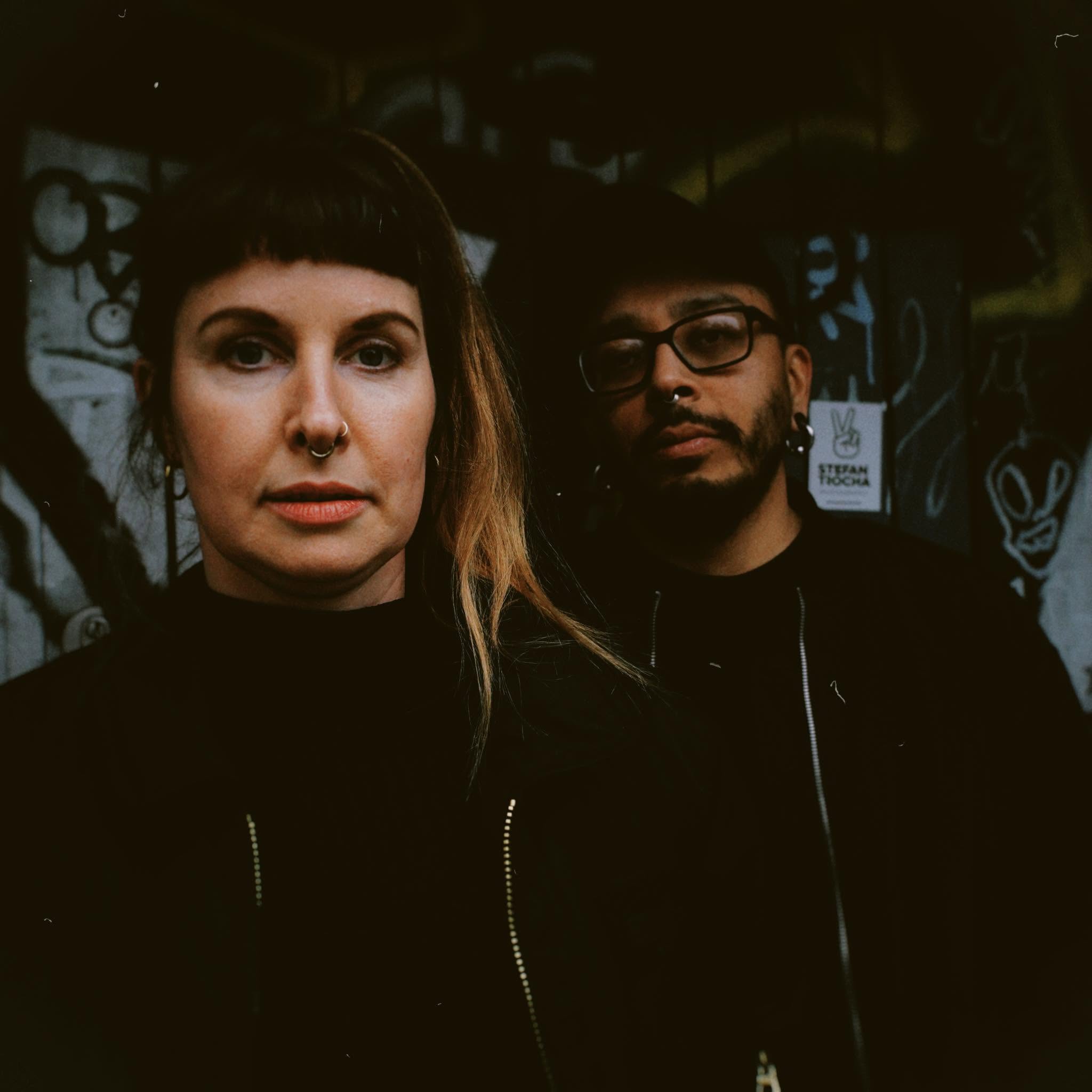
Hamburg, Regen, Hafen, grauer Himmel, kalte Nächte – und irgendwo dazwischen dieser Moment, wenn die Stadt langsam leiser wird und trotzdem niemals wirklich still ist.
Videotraum kommen aus Hamburg und bewegen sich zwischen Darkwave, Coldwave, Post-Punk und Neue Neue Deutsche Welle. Dahinter stehen Jo und Misael, die aus elektronischen Sounds, deutschen Texten und einer ziemlich eigenen Mischung aus Melancholie und Tanzbarkeit ihren ganz persönlichen Videotraum bauen.
Und genau das gefällt mir.
Denn Videotraum klingt nicht nach dem Versuch, irgendeinen alten 80er-Jahre-Sound möglichst originalgetreu wiederzubeleben. Natürlich sind die Einflüsse da. New Wave, Coldwave, Minimal Wave, Post-Punk – alles hörbar. Aber daraus entsteht etwas Eigenes.
Etwas Hamburgerisches.
Die Musik hat diese kalte elektronische Oberfläche, darunter liegen aber immer Gefühle. Sehnsucht, Schmerz, Einsamkeit, Liebe, Erinnerungen. Es ist nicht einfach nur Musik für den dunklen Dancefloor. Es ist Musik, bei der der Dancefloor genauso gut zum Nachdenken geeignet ist.
„Ritual“ bringt diese Seite ziemlich gut auf den Punkt. „Wir sind Tiere der Stadt“ – mehr Hamburg geht eigentlich kaum. Zwischen Stadt und Wald, zwischen Bewegung und Rückzug entsteht dieses Gefühl, nachts einfach loszugehen, ohne genau zu wissen, wo man eigentlich hinwill.
Dann ist da „Du & Ich“ – wesentlich romantischer, fast träumerisch. Ein Lied über Nacht, Nähe, Sterne und diesen kleinen Moment, in dem die Welt für einen Augenblick nur aus zwei Menschen besteht.
Und genau diese Gegensätze machen Videotraum interessant.
Auf der einen Seite die kalte Stadt.
Auf der anderen Seite Natur, Liebe und Sehnsucht.
Auf der einen Seite elektronische Beats.
Auf der anderen Seite diese manchmal fast fragile Melancholie.
Das Album „Ebbe // Flut“ bringt diese Idee wahrscheinlich am deutlichsten zusammen. Inspiriert von Hamburg, der langen Hafengeschichte der Stadt, dem Nieselregen, den Wäldern und den unterschiedlichen Gesichtern der Straßen, geht es um genau dieses Wechselspiel: Licht und Schatten, Nähe und Distanz, Bewegung und Stillstand.
Und dann gibt es Songs wie „Vermissen“, die deutlich tiefer gehen. Erinnerung, Verlust, Unsicherheit und Traurigkeit werden hier nicht versteckt, sondern direkt ausgesprochen.
Für mich ist das eine der Stärken von Videotraum.
Die Musik versucht nicht, besonders böse oder besonders düster zu wirken.
Sie ist einfach dunkel.
Und vielleicht gerade deshalb glaubwürdig.
Auch außerhalb Hamburgs findet diese Mischung ihren Platz. Videotraum war unter anderem gemeinsam mit Selofan im Hafenklang zu sehen – genau dort, wo Coldwave, Darkwave und Post-Punk ohnehin zuhause sind.
2023 erschien „Ebbe // Flut“ über Young & Cold Records auf digital, CD und Vinyl. Dazu kamen weitere Veröffentlichungen wie „Moonless“ und später der Remix von „Vermissen“ durch Dunkelwald & SARCOMA.
Was mir bei Videotraum besonders gefällt, ist diese Mischung aus persönlicher Dunkelheit und einem sehr konkreten Ort.
Das könnte irgendwo sein.
Aber irgendwie hört man trotzdem Hamburg:
Den Hafen.
Den Regen.
Die kalte Luft.
Die Straßen spät in der Nacht.
Und vielleicht auch diesen ganz eigenen Hamburger Blick auf die Dunkelheit: nicht pathetisch, nicht übertrieben romantisch, sondern ein bisschen rau, ein bisschen melancholisch und trotzdem tanzbar.
Für mich ist Videotraum deshalb mehr als einfach noch ein Darkwave-Projekt.
Es ist Musik, die nach einer Stadt klingt.
Nach einer Stadt, die niemals ganz schläft.
Einstieg
Ich würde mit „Ebbe // Flut“ anfangen. Danach „Ritual“, „Vermissen“, „Du & Ich“ und „Moonless“ hören.
Am besten natürlich nachts.
Mit Regen vor dem Fenster.
Und Hamburg irgendwo da draußen.
Facebook:
https://www.facebook.com/Videotraum
YouTube:
https://www.youtube.com/@videotraum
Instagram:
https://www.instagram.com/videotraum/
Bandcamp:
https://videotraum.bandcamp.com/
Videotraum
Between the harbour, the forest and the cold night
Sometimes the place a band comes from fits its music surprisingly well.
With Videotraum, I definitely get that feeling.
Hamburg, rain, the harbour, grey skies, cold nights — and somewhere in between, that moment when the city slowly becomes quieter without ever really falling silent.
Videotraum come from Hamburg and move somewhere between Darkwave, Coldwave, Post-Punk and Neue Neue Deutsche Welle. Jo and Misael build their own version of this Videotraum from electronic sounds, German lyrics and a very personal mixture of melancholy and danceability.
And I like that.
Because Videotraum don't sound like they are trying to recreate some perfect 1980s sound. Of course, the influences are there. New Wave, Coldwave, Minimal Wave, Post-Punk — you can hear them. But they are used as ingredients rather than as a blueprint.
The result feels distinctly Hamburg.
There is that cold electronic surface, but underneath it there are always emotions. Longing, pain, loneliness, love and memories. This isn't simply music for a dark dancefloor. It is music where the dancefloor can just as easily become a place to think.
“Ritual” captures that side particularly well. The idea of being creatures of the city, somewhere between urban life and the forest, movement and retreat, feels almost made for Hamburg. That feeling of walking through the city at night without really knowing where you are going.
Then there is “Du & Ich”, which is much more romantic and almost dreamlike. A song about night, closeness, stars and that brief moment when the rest of the world seems to disappear and there are only two people left.
And that contrast is what makes Videotraum interesting to me.
On one side, the cold city.
On the other, nature, love and longing.
Electronic beats on one side.
Fragile melancholy on the other.
The album “Ebbe // Flut” brings these ideas together particularly well. Inspired by Hamburg, its harbour, the city's history, its rain, forests and different faces, the album revolves around contrasts — light and shadow, closeness and distance, movement and stillness.
And then there are tracks like “Vermissen,” which go much deeper. Memories, loss, uncertainty and sadness are not hidden away here. They are simply allowed to exist.
That is one of Videotraum's strengths for me.
The music isn't trying to be especially evil.
It isn't trying too hard to be dark.
It simply is dark.
And perhaps that is exactly why it feels genuine.
Videotraum have also found their place beyond Hamburg, including a show with Selofan at Hafenklang — a pretty fitting setting for music that sits somewhere between Coldwave, Darkwave and Post-Punk.
Their album “Ebbe // Flut” was released in 2023 through Young & Cold Records on digital, CD and vinyl. Since then, further material such as “Moonless” and a remix of “Vermissen” by Dunkelwald & SARCOMA have followed.
What I particularly like about Videotraum is this combination of personal darkness and a very specific sense of place.
The music could exist somewhere else.
But somehow, you can still hear Hamburg.
The harbour.
The rain.
The cold air.
The streets late at night.
And perhaps that very Hamburg way of looking at darkness: not overly dramatic, not desperately romantic, but a little rough, a little melancholic — and still something you can dance to.
For me, Videotraum are therefore more than just another Darkwave project.
They sound like a city.
A city that never really sleeps.
Where to start
I would start with “Ebbe // Flut.” Then give “Ritual,” “Vermissen,” “Du & Ich” and “Moonless” a listen.
Preferably at night.
With rain against the window.
And Hamburg somewhere out there.
- Details
Blind Delon
Zwischen kalter Welle und französischer Dunkelheit
Es gibt Bands, bei denen man sofort merkt, dass sie ihre musikalischen Wurzeln kennen – aber trotzdem nicht versuchen, einfach nur die Vergangenheit nachzuspielen.
Blind Delon aus Toulouse gehören für mich genau dazu.
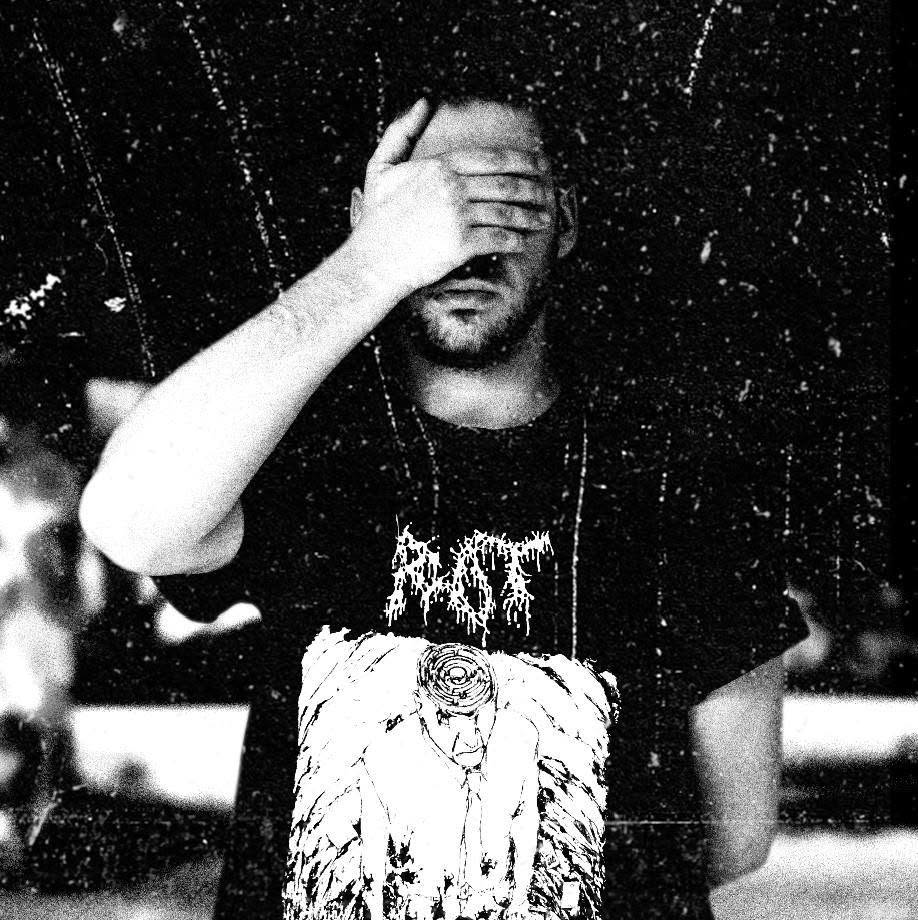
Das Projekt wurde 2016 von Mathis Kolkoz gegründet und begann zunächst als elektronisches Soloprojekt. Später entwickelte sich daraus eine Band, die immer stärker zwischen Post-Punk, Cold Wave, New Wave und elektronischer Musik pendelte.
Und genau dieses Pendeln macht Blind Delon interessant.
Hier gibt es keine Hochglanz-Version von Darkwave. Stattdessen treffen kalte Basslinien auf Synthesizer, kantige Gitarren und französischsprachige Vocals. Mal wird gesungen, mal gesprochen, mal fast geschrien. Die Musik kann melancholisch und unterkühlt wirken, im nächsten Moment aber plötzlich aggressiv nach vorne gehen.
Für mich hat Blind Delon deshalb immer etwas Nächtliches.
Nicht unbedingt dieses romantische „schöne Dunkel“, sondern eher die andere Seite der Nacht: leere Straßen, Neonlicht, Zigarettenrauch, zu viele Gedanken und dieses Gefühl, dass irgendwo zwischen Melancholie und Wut noch etwas passieren muss.
Schon die frühen Veröffentlichungen wie „Edouard“, „Maniaque“ und später „Discipline“ haben diese Richtung geprägt. Mit „Chimères“ wurde der Sound weiter ausgebaut, bevor „La Métamorphose“ 2023 noch einmal deutlich zeigte, wie weit Blind Delon ihre Mischung aus Post-Punk, Cold Wave und elektronischer Musik treiben können.
Gerade „La Métamorphose“ finde ich spannend. Das Album arbeitet mit zahlreichen Kollaborationen und bringt unter anderem The KVB, Poison Point, Curses und Maenad Veyl ins Blind-Delon-Universum. Dadurch bekommt das Album eine erstaunliche Breite, ohne seine dunkle Grundstimmung zu verlieren.
Und dann kam „BLAST“.
2025 haben Blind Delon ihren Sound noch einmal verändert. Die Band selbst beschreibt das Album als eine Verbindung von New Wave und Post-Rock. Aggressive Basslinien treffen auf große, chorused Gitarrenwände und eine deutlich rockigere Seite.
Ich mag diese Entwicklung.
Denn Blind Delon sind für mich gerade deshalb interessant, weil sie nicht versuchen, dauerhaft dieselbe Platte zu machen. Die Verbindung zur alten französischen Post-Punk- und Cold-Wave-Tradition bleibt bestehen, aber gleichzeitig darf der Sound größer, härter und teilweise fast rockig werden.
Und trotzdem bleibt dieses französische Element.
Die Sprache verändert dabei viel. Französischer Gesang über kalten Synthesizern und treibenden Basslinien erzeugt eine ganz eigene Atmosphäre. Blind Delon klingen dadurch nicht wie eine französische Kopie irgendeiner britischen Post-Punk-Band. Sie haben ihre eigene Identität entwickelt.
2026 wurde mit der „Edouard – 10 Years Anniversary Edition“ außerdem noch einmal an den Anfang zurückgeblickt – inklusive neuer Remaster, Extended Versionen und einer ganzen Reihe von Remixen.
Für mich ist Blind Delon deshalb ein schönes Beispiel dafür, wie lebendig Post-Punk heute noch sein kann.
Man kann die Vergangenheit hören.
Aber man muss nicht darin stecken bleiben.
Blind Delon nehmen Cold Wave, New Wave, Post-Punk und elektronische Musik, werfen noch etwas französische Melancholie und eine ordentliche Portion Dreck dazu – und machen daraus etwas, das gleichzeitig vertraut und eigenständig klingt.
Einstieg
Ich würde mit „Chimères“ anfangen, danach „La Métamorphose“ hören und anschließend unbedingt bei „BLAST“ landen. Wer tiefer einsteigen möchte, sollte sich auch „Discipline“ und die ursprüngliche „Edouard“-EP anhören.
Blind Delon sind für mich Musik für die Nacht – kalt, melancholisch, manchmal wütend und niemals ganz so harmlos, wie sie auf den ersten Blick wirken.
Facebook:
https://www.facebook.com/blinddelon
Instagram:
https://www.instagram.com/blindelon
YouTube:
https://www.youtube.com/channel/
Bandcamp:
https://blind-delon.bandcamp.com/
Blind Delon
Between cold waves and French darkness
There are bands where you can immediately tell that they know exactly where they come from — without sounding like they are simply trying to recreate the past.
For me, Blind Delon from Toulouse are definitely one of them.
Founded by Mathis Kolkoz in 2016, the project started out in a more electronic direction before developing into something much broader. Over the years, Blind Delon have moved between Post-Punk, Cold Wave, New Wave, Synthpunk and darker electronic territory, constantly changing their shape without losing their identity.
And that constant movement is exactly what makes Blind Delon interesting to me.
There is nothing polished or harmless about their sound. Cold basslines meet synths, guitars and French vocals, while the music can suddenly become heavier, rougher and much more aggressive.
For me, Blind Delon have always had something deeply nocturnal about them.
Not the romantic kind of darkness.
More like the other side of the night: empty streets, neon lights, cigarette smoke, too many thoughts and that strange feeling that somewhere between melancholy and anger, something is about to happen.
The early “Edouard” release already laid the foundations for what would follow. Then came albums like “Discipline” and “Chimères,” before “La Métamorphose” pushed the sound into much darker and heavier territory.
And “La Métamorphose” is probably one of the releases I would point to when someone asks me what Blind Delon are all about.
The album brings together Post-Punk, Cold Wave, Synthpunk and much heavier elements. It also features collaborations with artists such as The KVB, Curses, Maenad Veyl and Poison Point, giving the record a surprisingly wide range without destroying its dark atmosphere.
Then came “BLAST.”
Released in 2025, the album pushes Blind Delon into an even bigger and more explosive direction. The band describes it as a fusion of New Wave and Post-Rock, with aggressive basslines and huge, chorus-heavy guitar walls. And you can feel that difference.
I like that development.
Because Blind Delon are not trying to make the same record over and over again.
They know their roots, but they are not trapped by them.
And that is important to me.
There are enough bands around who spend years recreating the same 1980s aesthetic, using the same sounds, the same visual language and the same references. Blind Delon take those influences and push them somewhere else.
Sometimes darker.
Sometimes heavier.
Sometimes simply stranger.
And then there is the French language.
It changes the whole atmosphere.
French vocals over cold synths, distorted guitars and driving basslines create something that immediately feels different from the endless stream of English-language Post-Punk releases. Blind Delon sound French without turning that into some kind of gimmick.
In 2026, the project also returned to its beginnings with the 10th Anniversary Edition of “Edouard,” revisiting the original 2016 release with remasters, extended versions and a large collection of remixes.
For me, Blind Delon are a good reminder that Post-Punk is nowhere near dead.
You can hear the past.
You can feel the old Cold Wave influence.
But you don't have to live there.
Blind Delon take Cold Wave, New Wave, Post-Punk and electronic music, add French melancholy, tension and a healthy amount of dirt — and turn it into something that feels familiar without ever becoming predictable.
Where to start
I would start with “La Métamorphose,” then move on to “BLAST.” After that, go back to “Chimères” and “Discipline.” And if you want to dig all the way down to the beginning, give the original “Edouard” release a proper listen.
For me, Blind Delon are music for the night — cold, melancholic, sometimes angry, sometimes beautiful, and never quite as harmless as they might seem at first.
- Details
Boy Deluxe
Dunkle Elektronik mit Punk im Blut
Manchmal reicht ein paar Sekunden Musik und man weiß: Das hier ist nicht für den gepflegten Hintergrund gedacht.
Boy Deluxe gehören für mich genau in diese Kategorie.
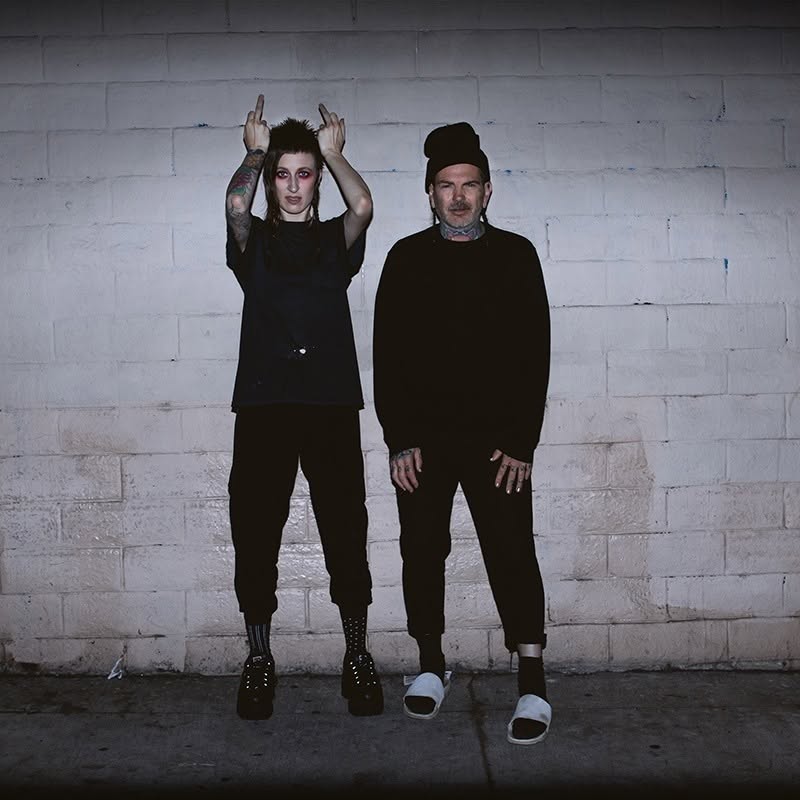
Das Duo aus Hope S. und True Murra bewegt sich irgendwo zwischen Dark Pop, Electro, Punk, EBM und elektronischem Noise. Und genau dieses „irgendwo dazwischen“ macht für mich den Reiz aus. Boy Deluxe klingt nicht danach, als hätte man sich hingesetzt und überlegt, welches Genre gerade am besten funktioniert. Es klingt eher nach: Wir machen das jetzt einfach.
Und das hört man.
Die Beats sind elektronisch, manchmal ziemlich dreckig, manchmal fast brutal direkt. Darüber Vocals, die nicht versuchen, alles schönzureden. Dazu diese Mischung aus Pop-Attitüde, Punk-Energie und dunkler Elektronik, die immer wieder an die Grenzen zum Clubsound stößt.
Was ich an Boy Deluxe mag, ist diese gewisse Unruhe.
Die Musik will nicht unbedingt gefallen. Sie will Energie loswerden.
Tracks wie „Sanctuary“, „Bait“, „Flesh // Nails“ oder „Whiplash“ zeigen ziemlich gut, was das Projekt ausmacht. Mal elektronisch treibend, mal aggressiv, mal überraschend catchy – aber eigentlich immer mit diesem leicht kaputten Gefühl, das für mich viel interessanter ist als die nächste perfekt produzierte Dark-Pop-Nummer.
Und genau hier wird es für mich interessant für die dunkle Szene.
Boy Deluxe sind nicht klassischer Gothic. Kein Versuch, den Sound von gestern möglichst originalgetreu nachzubauen. Dafür steckt zu viel Electro, Punk und moderne Pop-Energie darin. Aber genau deshalb funktionieren sie für mich dort, wo sich Darkwave, EBM, Electroclash und alternative Clubmusik überschneiden.
Das ist Musik für dunkle Räume, flackerndes Licht und einen Dancefloor, auf dem man nicht unbedingt elegant aussehen muss.
Vielleicht sogar besser, wenn man es nicht tut.
Mit „From Black Sheep To Icon“ und „HYSTERIA“ hat Boy Deluxe diese Richtung weiter ausgebaut. Und auch die neueren Veröffentlichungen zeigen, dass das Projekt nicht daran interessiert ist, auf einem einmal gefundenen Sound sitzen zu bleiben.
Das gefällt mir.
Denn gerade bei elektronischer Musik kann schnell der Punkt kommen, an dem alles gleich klingt. Gleiche Beats, gleiche Synths, gleiche Ästhetik, gleiche Pose.
Boy Deluxe haben diese Pose nicht nötig.
Da ist mehr Dreck drin. Mehr Wut. Mehr Lust am Experimentieren. Und gleichzeitig immer wieder dieser kleine Moment, in dem aus all dem Chaos plötzlich ein verdammt guter Song wird.
Für mich ist genau das Boy Deluxe: dunkle elektronische Musik, die sich nicht benehmen will.
Und ehrlich gesagt ist mir das wesentlich lieber als noch ein Projekt, das versucht, perfekt in irgendeine Szene-Schublade zu passen.
Einstieg
Ich würde mit „Sanctuary“, „Bait“, „Flesh // Nails“ und „Whiplash“ anfangen. Danach „From Black Sheep To Icon“ und „HYSTERIA“ – und dann einfach weitergraben.
Denn bei Boy Deluxe lohnt es sich, nicht nach einer Schublade zu suchen.
Einfach lauter machen.
YouTube:
https://www.youtube.com/@boydeluxe2056
Facebook:
https://www.facebook.com/boydeluxemusic
Bandcamp:
https://boydeluxe.bandcamp.com/
Instagram:
https://www.instagram.com/boydeluxe
Boy Deluxe
Dark electronics with punk running through its veins
Sometimes it only takes a few seconds of music to realize that this is not meant to sit politely in the background.
For me, Boy Deluxe belongs exactly in that category.
The duo of Hope S. and True Murra exists somewhere between Dark Pop, Electro, Punk, EBM and electronic noise. And it is precisely this space in between that makes the project so interesting. Boy Deluxe does not sound like music created by people trying to figure out which genre works best right now. It sounds more like this:
Let's just do it.
And you can hear that.
The beats are electronic, sometimes dirty, sometimes almost brutally direct. Over them come vocals that never try to make things prettier than they are. Add a mixture of pop attitude, punk energy and dark electronics, constantly pushing toward the edges of club music.
What I really like about Boy Deluxe is this sense of unrest.
The music does not necessarily want to please you.
It wants to release energy.
Tracks like “Sanctuary,” “Bait,” “Flesh // Nails” and “Whiplash” capture that spirit perfectly. Sometimes driving and electronic, sometimes aggressive, sometimes surprisingly catchy — but almost always carrying that slightly damaged feeling that, for me, is far more interesting than the next perfectly polished Dark Pop release.
And this is where Boy Deluxe becomes especially interesting for the dark scene.
This is not classic Gothic. There is no attempt to recreate the sounds of the past as accurately as possible. There is too much Electro, too much Punk, too much modern energy for that. And that is exactly why it works. Boy Deluxe exists in that space where Darkwave, EBM, Electroclash and alternative club music overlap.
This is music for dark rooms, flickering lights and dancefloors where looking elegant is completely optional.
Maybe it even works better if you don't.
With releases like “From Black Sheep To Icon” and “HYSTERIA,” Boy Deluxe continued to develop this direction. And the more recent material shows that the project has no interest in settling into a comfortable formula.
I like that.
Because electronic music can quickly reach a point where everything begins to sound the same. The same beats. The same synths. The same aesthetics. The same attitude.
Boy Deluxe does not need that attitude.
There is more dirt here. More tension. More experimentation. And every now and then, out of all that chaos, a really great song suddenly appears.
For me, that is exactly what Boy Deluxe is:
Dark electronic music that refuses to behave.
And honestly, I prefer that much more than another project trying to fit neatly into some scene category.
Where to start
I would begin with “Sanctuary,” “Bait,” “Flesh // Nails” and “Whiplash.” After that, move on to “From Black Sheep To Icon” and “HYSTERIA” — and then keep digging.
Because with Boy Deluxe, looking for labels misses the point.
Just turn it up.
- Details
Midnight Poetry
Zwischen Darkwave, elektronischer Dunkelheit und melancholischer Energie
Es gibt Projekte, bei denen schon der Name ziemlich gut beschreibt, was einen musikalisch erwartet. Midnight Poetry gehört für mich definitiv dazu.
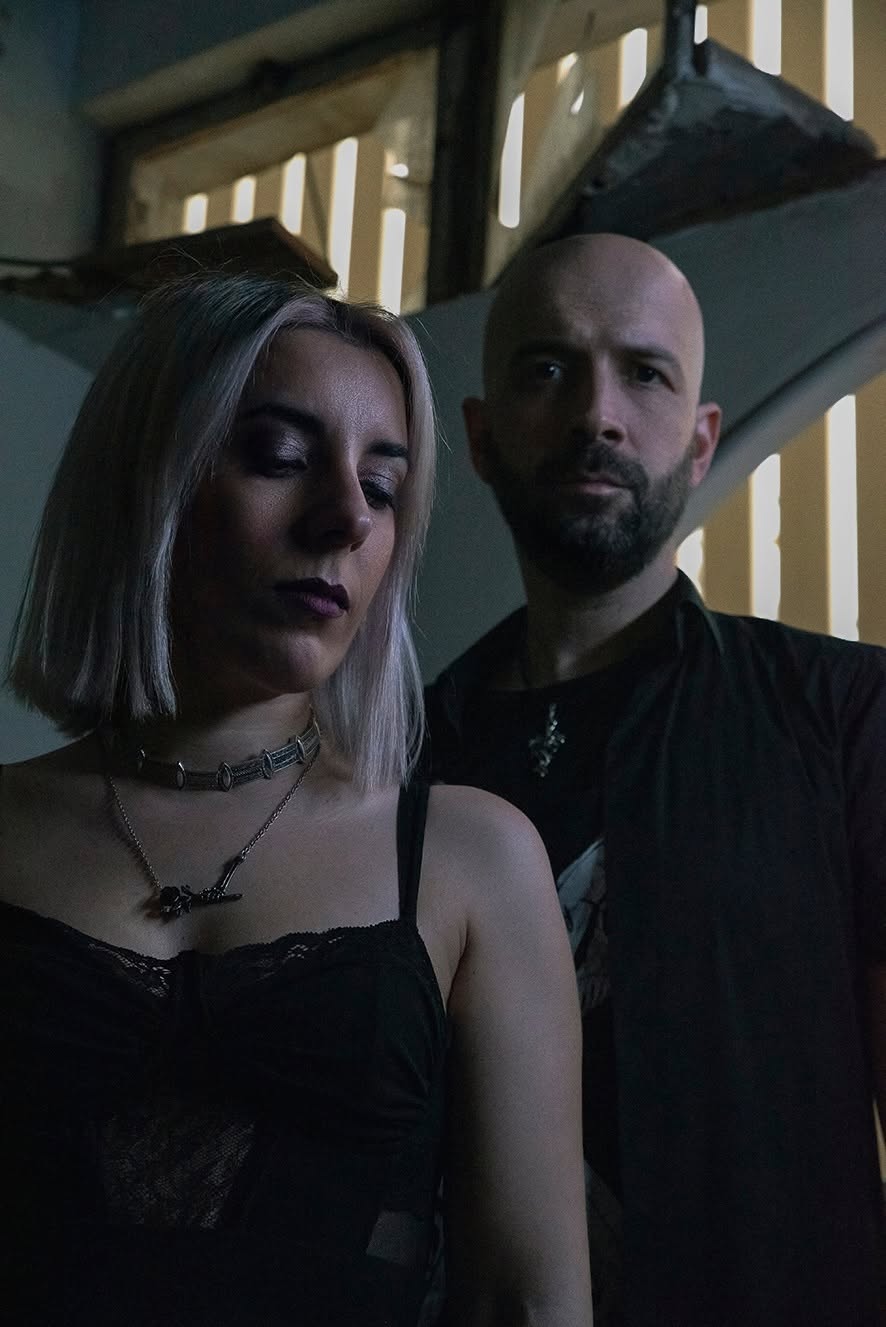
Das griechische Duo aus Cleopatra Kaido und John Spanos bewegt sich zwischen Darkwave, Dark Electro, Synth-Pop und Post-Punk und verbindet diese Einflüsse mit einer ausgesprochen atmosphärischen und manchmal fast filmischen Klangsprache. Dabei klingt Midnight Poetry nicht wie eine reine Rückkehr zu den klassischen Wave-Jahren. Vielmehr werden vertraute Elemente aufgenommen und mit modernen elektronischen Sounds und einer deutlich spürbaren Club-Energie verbunden.
Im Mittelpunkt steht die Stimme von Cleopatra Kaido. Sie kann gleichzeitig kühl, melancholisch und kraftvoll wirken und gibt den Songs eine sehr eigene emotionale Farbe. Dahinter entstehen elektronische Klangflächen, treibende Rhythmen und melodische Passagen, die immer wieder zwischen Darkwave und moderner Synth-Musik wechseln.
Was mir an Midnight Poetry besonders gefällt, ist dieses Wechselspiel zwischen Melancholie und Bewegung. Die Musik hat durchaus eine dunkle Seite, bleibt aber nicht statisch oder schwer. Immer wieder kommen rhythmische Elemente hinzu, die den Songs Energie geben und sie auch für den Dancefloor interessant machen.
Die Geschichte des Projekts reicht dabei nicht nur bis zum ersten Midnight-Poetry-Release zurück. Cleopatra Kaido war bereits zuvor mit Drama Queen und Meat Injection aktiv, während John Spanos unter anderem mit Radical Distortion gearbeitet und eigene Musik zwischen Ambient, Chill-Out und Future Garage veröffentlicht hat. Beide bringen dadurch sehr unterschiedliche musikalische Erfahrungen in Midnight Poetry ein.
Der erste große Schritt als Midnight Poetry war „Black Hole“, das 2024 erschien. Der Song zeigt bereits ziemlich deutlich, wohin die Reise gehen sollte: dunkle elektronische Strukturen, melancholische Vocals und eine Atmosphäre, die irgendwo zwischen innerer Leere und hypnotischer Bewegung liegt.
2026 folgte dann das Debütalbum „Dive Into The Darkness“. Schon der Titel könnte kaum besser gewählt sein. Das Album taucht tief in die dunkleren Bereiche elektronischer Musik ein und verbindet persönliche und gesellschaftliche Themen mit einer modernen Darkwave-Ästhetik. Die Songs beschäftigen sich unter anderem mit Angst, innerem Chaos, Isolation, Machtmissbrauch und einer Gesellschaft, die zunehmend aus den Fugen geraten kann.
Dabei gefällt mir besonders, dass Midnight Poetry nicht versucht, aus der Dunkelheit eine reine Pose zu machen. Die Texte können durchaus politisch und gesellschaftskritisch werden. „Infected Society“ ist dafür ein gutes Beispiel. Der Song beschäftigt sich mit Korruption, Machtmissbrauch, gesellschaftlichen Problemen und dem Gefühl, dass Hoffnung immer schwieriger zu finden ist.
Auf der anderen Seite stehen Songs wie „Black Hole“, die deutlich stärker nach innen schauen. Leere, Erinnerungen, innere Abgründe und das Gefühl, langsam in den eigenen Gedanken zu versinken, werden hier zu einer musikalischen Erfahrung. Genau diese Verbindung aus persönlicher und gesellschaftlicher Dunkelheit macht Midnight Poetry interessant.
Auch die Einflüsse sind spannend. VNV Nation, Diary of Dreams, New Order und Clan of Xymox werden als wichtige Bezugspunkte genannt. Man kann diese Einflüsse durchaus erkennen, trotzdem bleibt Midnight Poetry weit genug davon entfernt, lediglich bekannte Vorbilder zu kopieren.
Und dann ist da natürlich die Bühne.
Midnight Poetry haben bereits live gespielt und waren unter anderem in Athen zu sehen. 2025 standen sie beispielsweise gemeinsam mit Instant Lake im N.A.O.S. in Athen auf der Bühne. Auch weitere Auftritte im Umfeld der griechischen Darkwave- und elektronischen Szene folgten.
Gerade dort dürfte die Kombination aus elektronischen Beats, dunklen Synthesizern und Cleopatras ausdrucksstarker Stimme besonders gut funktionieren. Midnight Poetry besitzen diese seltene Eigenschaft, gleichzeitig atmosphärisch und tanzbar zu sein.
Interessant ist außerdem, dass sich das Projekt inzwischen weiterentwickelt. Für die aktuelle Phase wird Cleopatra Kaido gemeinsam mit Achilleas C / Akill Char, bekannt als DJ und Gründer von ElektroSpank, genannt. Gemeinsam arbeiten sie an neuem Material, das klassische Coldwave- und Synth-Elemente mit moderner Dark-Club-Energie verbinden soll.
Damit bleibt Midnight Poetry nicht einfach bei dem stehen, was mit „Dive Into The Darkness“ begonnen wurde. Im Gegenteil: Es scheint, als würde sich das Projekt gerade weiter in Richtung einer härteren, elektronischeren und gleichzeitig moderneren Klangwelt bewegen.
Für mich gehört Midnight Poetry deshalb zu den interessanteren neueren Namen aus der griechischen Darkwave-Szene. Das Projekt verbindet die Melancholie des Wave mit elektronischer Energie, ohne dabei die emotionale Seite aus den Augen zu verlieren.
„Dive Into The Darkness“ ist dabei ein ziemlich guter Ausgangspunkt. Aber ich habe das Gefühl, dass die eigentliche Geschichte von Midnight Poetry gerade erst beginnt.
Und vielleicht ist genau das die spannendste Seite dieses Projekts: Man weiß noch nicht ganz, wohin die Reise geht – aber man möchte definitiv weiter zuhören.
Facebook:
https://www.facebook.com/midnightpoetrygr
Instagram:
https://www.instagram.com/midnightpoetry_gr
Bandcamp:
https://midnightpoetrygr.bandcamp.com/
YouTube:
https://www.youtube.com/@MidnightPoetry_gr
Midnight Poetry
Between Darkwave, Electronic Darkness and Melancholic Energy
There are projects where the name already gives you a pretty good idea of what you are about to hear. Midnight Poetry is definitely one of them.
The Greek duo of Cleopatra Kaido and John Spanos moves between Darkwave, Dark Electro, Synth-Pop and Post-Punk, combining these influences with an atmospheric and sometimes almost cinematic approach to sound. Midnight Poetry does not feel like a simple return to the classic Wave years. Instead, familiar elements are taken and reshaped through modern electronic sounds and a strong sense of contemporary club energy.
At the center of the project is Cleopatra Kaido's voice. It can sound cold, melancholic and powerful at the same time, giving the songs a very distinctive emotional character. Around it, electronic textures, driving rhythms and melodic passages constantly move between Darkwave and modern Synth-based music.
What I particularly like about Midnight Poetry is this contrast between melancholy and movement. There is certainly a dark side to the music, but it never becomes static or overwhelmingly heavy. Rhythmic elements repeatedly push the songs forward, giving them an energy that makes them just as interesting on the dancefloor as they are during a late-night listening session.
The story of the project did not begin with Midnight Poetry itself. Cleopatra Kaido had already been active with Drama Queen and Meat Injection, while John Spanos had worked with Radical Distortion and released his own music exploring areas such as Ambient, Chill-Out and Future Garage. They therefore bring very different musical experiences into Midnight Poetry, and I think that contrast is part of what makes the project interesting.
One of the first major steps as Midnight Poetry was “Black Hole,” released in 2024. The track already gives a clear impression of where the project was heading: dark electronic structures, melancholic vocals and an atmosphere somewhere between inner emptiness and hypnotic movement.
Then came the debut album “Dive Into The Darkness” in 2026. The title could hardly be more appropriate. The album dives deep into the darker side of electronic music while combining personal and social themes with a contemporary Darkwave aesthetic.
The songs deal with fear, inner chaos, isolation, abuse of power and the feeling that hope can sometimes become increasingly difficult to find. What I find particularly interesting is that Midnight Poetry does not simply turn darkness into an aesthetic pose. The lyrics can become openly political and socially critical.
“Infected Society” is a good example. The song addresses corruption, abuse of power, social problems and the feeling of living in a world where darkness seems to be spreading. It gives the project another dimension beyond the purely personal.
On the other hand, songs such as “Black Hole” look much further inward. Emptiness, memories, inner abysses and the feeling of slowly disappearing into your own thoughts become part of the musical experience.
This combination of personal and social darkness is one of the things that makes Midnight Poetry stand out for me.
Their influences are also interesting. Names such as VNV Nation, Diary of Dreams, New Order and Clan of Xymox are mentioned as important references. You can certainly hear traces of these influences, but Midnight Poetry never feels like a copy of its predecessors. Instead, these elements become part of a contemporary sound that continues to develop its own identity.
And then, of course, there is the live side of the project.
Midnight Poetry have already performed live, including appearances in Athens and within the Greek Darkwave and electronic music scene. Their combination of electronic beats, dark synthesizers and Cleopatra's expressive vocals seems almost made for the stage.
That balance between atmosphere and movement is one of their greatest strengths. Midnight Poetry can be introspective and melancholic, but they can also create the kind of energy that makes you want to move.
The project has also entered a new phase. Cleopatra Kaido is now working with Achilleas C / Akill Char, known as a DJ and the founder of ElektroSpank. Together they are developing new material that is expected to combine classic Coldwave and Synth influences with a more contemporary Dark Club energy.
That makes Midnight Poetry particularly interesting right now. The project is not simply looking back at what has already been created. It appears to be moving forward, exploring a harder, more electronic and potentially more experimental direction.
For me, Midnight Poetry is one of the more interesting newer names emerging from the Greek Darkwave scene. The project combines the melancholy of Wave music with electronic energy without losing sight of emotion.
“Dive Into The Darkness” is a very good starting point. But I have the feeling that the real story of Midnight Poetry is only beginning.
And perhaps that is the most exciting thing about the project: you do not yet know exactly where the journey will lead.
But you definitely want to keep listening.
