Julien-K
Julien-K ist eine US-amerikanische Electro-Rock-Band aus Long Beach, Kalifornien, die für mich besonders interessant ist, weil sie Rock und elektronische Musik auf eine sehr eigene Art miteinander verbindet. Musikalisch bewegt sich die Band zwischen Industrial Rock, Synth-Rock, Dark Electro, Electro und elektronischer Musik. Dabei entsteht ein Sound, der gleichzeitig düster, futuristisch, treibend und melodisch sein kann.
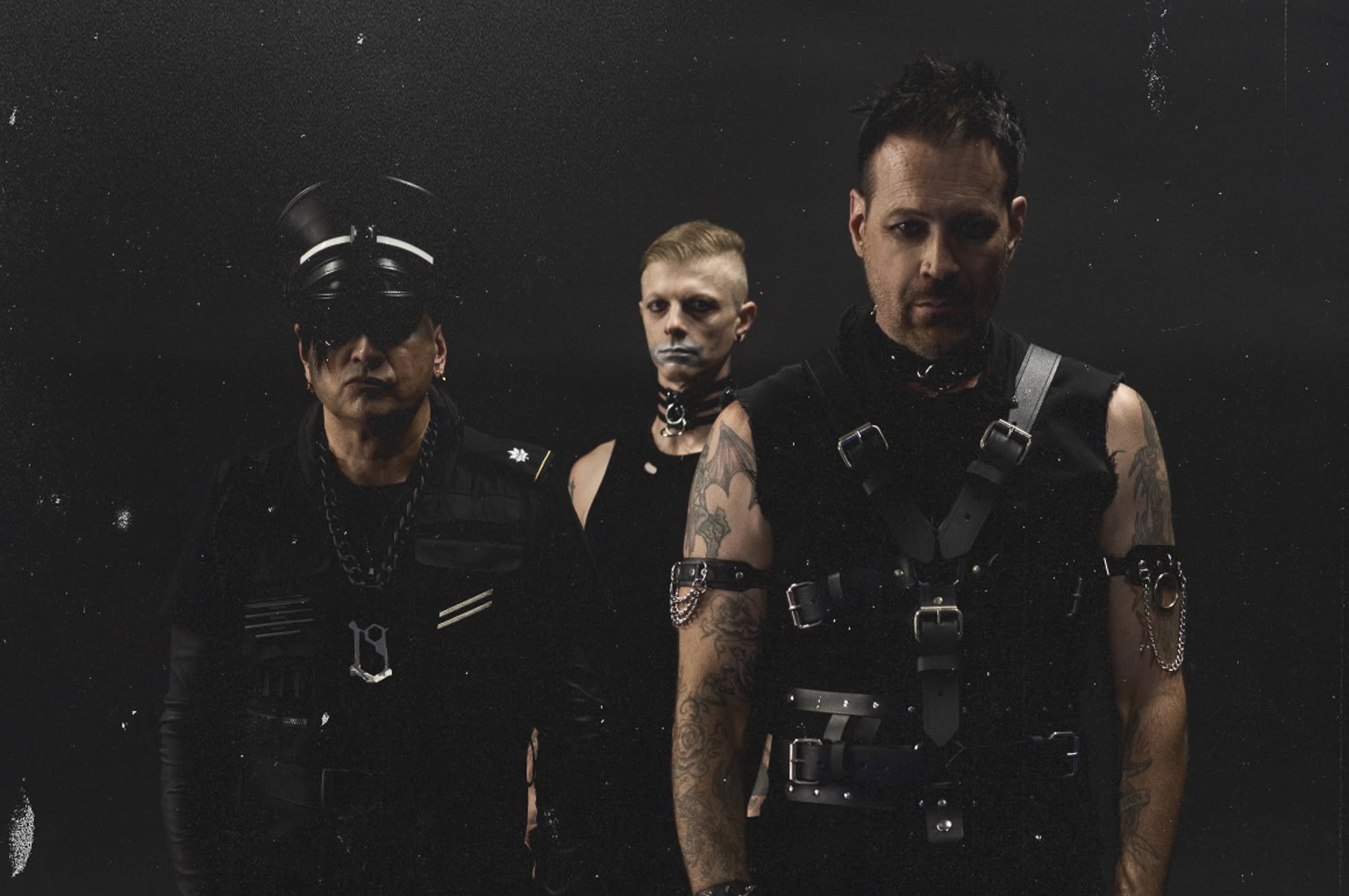
Gegründet wurde Julien-K 2003 von Ryan Shuck und Amir Derakh, die bereits gemeinsam bei Orgy aktiv waren. Julien-K entstand ursprünglich aus dem Wunsch heraus, musikalische Ideen umzusetzen, die innerhalb von Orgy keinen Platz fanden. Aus diesem Nebenprojekt entwickelte sich im Laufe der Jahre eine eigenständige Band mit einem ganz eigenen musikalischen und visuellen Stil.
Schon die frühen Songs zeigten, dass Julien-K nicht einfach eine weitere Rockband werden wollte. Elektronische Beats, Synthesizer und digitale Soundelemente treffen auf verzerrte Gitarren und markanten Gesang. Gerade diese Verbindung aus Rock und Elektronik gibt der Band ihren besonderen Charakter.
Songs wie „Look at You“, „Kick the Bass“, „Someday Soon“ und „Technical Difficulties“ zeigen bereits sehr deutlich diese Mischung. Besonders „Technical Difficulties“ wurde auch außerhalb der eigentlichen Szene bekannt und fand seinen Weg auf den Soundtrack von Transformers. Julien-K arbeitete außerdem an Musik für verschiedene Videospiele.
2009 erschien mit „Death to Analog“ das erste offizielle Studioalbum. Schon der Titel passt für mich sehr gut zur musikalischen Philosophie der Band. Analoges Rockinstrumentarium trifft auf digitale Produktion, Synthesizer und elektronische Beats. Das Album verbindet harte Gitarren mit Industrial-Elementen und elektronischer Atmosphäre und legte damit einen wichtigen Grundstein für den späteren Julien-K-Sound.
Mit „We're Here with You“ folgte 2012 ein weiteres Album, auf dem die elektronische Seite noch stärker in den Vordergrund rückte. Die Songs bewegen sich zwischen Electro-Rock, Synth-Rock und Industrial, bleiben dabei aber immer melodisch und zugänglich.
Besonders interessant finde ich das später entstandene „California Noir“-Konzept. Mit Veröffentlichungen wie „California Noir – Chapter One: Analog Beaches & Digital Cities“ und „Chapter Two: Nightlife in Neon“ entwickelte Julien-K eine eigene musikalische Welt.
Dabei wird Kalifornien nicht einfach nur als geografischer Ort dargestellt. Es geht vielmehr um die Vorstellung von Kalifornien als Mischung aus Sonne, Neon, Großstadt, Technologie, Nachtleben und Einsamkeit. Genau diese Gegensätze spiegeln sich auch in der Musik wider.
Für mich klingt Julien-K an manchen Stellen wie der Soundtrack zu einer nächtlichen Fahrt durch Los Angeles. Neonlichter, leere Straßen, Clubs, Hochhäuser und gleichzeitig dieses Gefühl von Distanz und Einsamkeit. Die Musik kann gleichzeitig futuristisch und sehr menschlich wirken.
Mit „Harmonic Disruptor“ aus dem Jahr 2020 ging Julien-K noch stärker in Richtung Industrial und elektronischer Rockmusik. Die Gitarren bleiben wichtig, werden aber immer wieder von Synthesizern, elektronischen Rhythmen und digitalen Soundelementen ergänzt.
Genau das macht Julien-K für mich so interessant: Die Band klingt nicht wie eine klassische Rockband, die irgendwann elektronische Elemente eingebaut hat. Vielmehr wirken Rock und Elektronik von Anfang an wie zwei gleichberechtigte Bestandteile des Sounds.
Natürlich gehört auch die musikalische Vergangenheit der Mitglieder zur Geschichte von Julien-K. Ryan Shuck und Amir Derakh waren bereits bei Orgy aktiv und arbeiteten außerdem im Umfeld von Dead by Sunrise mit Chester Bennington. Diese Erfahrungen aus unterschiedlichen Bereichen von Rock, Industrial und elektronischer Musik sind meiner Meinung nach deutlich im Julien-K-Sound zu erkennen.
Auch live hat sich Julien-K über die Jahre eine internationale Fangemeinde aufgebaut. Die Band war mehrfach in Europa unterwegs und spielte unter anderem in Deutschland, Frankreich, den Niederlanden und Großbritannien. Dabei funktioniert der Sound besonders gut auf der Bühne, weil die Kombination aus elektronischen Beats, Gitarren und visueller Atmosphäre eine sehr intensive Wirkung entwickeln kann.
Was ich an Julien-K besonders mag, ist die Verbindung von Dunkelheit und Energie. Die Musik besitzt oft eine gewisse Kälte und futuristische Distanz, gleichzeitig bleiben die Songs melodisch und emotional. Genau dieser Gegensatz zieht sich für mich durch viele Veröffentlichungen der Band.
Julien-K lässt sich deshalb auch nur schwer auf ein einzelnes Genre reduzieren. Industrial Rock, Synth-Rock, Dark Electro, Synthpop, Electro und elektronische Clubmusik gehören alle zu diesem musikalischen Kosmos. Die Band nimmt aus diesen verschiedenen Bereichen Elemente auf und verbindet sie zu einem eigenen Sound.
Für mich ist Julien-K deshalb längst mehr als ein Nebenprojekt ehemaliger Orgy-Mitglieder. Über mehr als zwei Jahrzehnte hat die Band eine eigene Identität entwickelt und immer wieder neue Wege gefunden, Rock und elektronische Musik miteinander zu verbinden.
Julien-K steht für dunklen Electro-Rock aus Kalifornien – treibend, futuristisch, atmosphärisch und melodisch. Musik zwischen Industrial, Synth-Rock und Dark Electro, irgendwo zwischen Neonlicht, Großstadt, Gitarren und der nächtlichen Clubwelt.
YouTube:
https://www.youtube.com/@officialjulienk
Webseite:
https://www.julienk.com/
Instagram:
https://www.instagram.com/julienkofficial
Facebook:
https://www.facebook.com/julienk
Julien-K – Band Profile
Julien-K is an American electro-rock band from Long Beach, California, and what I find particularly interesting about them is the way they combine rock and electronic music. Their sound moves between industrial rock, synth-rock, dark electro, electro, and electronic music, creating something that can be dark, futuristic, driving, and melodic at the same time.
Julien-K was formed in 2003 by Ryan Shuck and Amir Derakh, who were already working together in Orgy. The project originally came from their desire to explore musical ideas that did not really fit within Orgy. Over the years, Julien-K developed into a fully independent band with its own musical and visual identity.
Even the early material showed that Julien-K was not interested in becoming just another rock band. Electronic beats, synthesizers, and digital sound elements were combined with distorted guitars and distinctive vocals. This combination of rock and electronics is still one of the things that gives the band its unique character.
Songs such as “Look at You,” “Kick the Bass,” “Someday Soon,” and “Technical Difficulties” already demonstrate this approach. “Technical Difficulties” also reached a much wider audience through its inclusion on the Transformers soundtrack. Julien-K have also contributed music to various video game projects.
In 2009, the band released its first official studio album, Death to Analog. For me, the title fits the band's musical philosophy particularly well. Analog rock instrumentation meets digital production, synthesizers, and electronic beats. The album combines heavy guitars with industrial elements and electronic atmospheres, laying an important foundation for the Julien-K sound that would follow.
We're Here with You, released in 2012, pushed the electronic side of the band even further. The songs move between electro-rock, synth-rock, and industrial while remaining melodic and accessible.
I find the later “California Noir” concept particularly interesting. With releases such as California Noir – Chapter One: Analog Beaches & Digital Cities and Chapter Two: Nightlife in Neon, Julien-K created a distinctive musical world of their own.
California is not simply treated as a geographical location here. Instead, it becomes an idea built around sunshine, neon, the city, technology, nightlife, and loneliness. These contrasts are reflected throughout the music.
For me, Julien-K can sometimes sound like the soundtrack to a late-night drive through Los Angeles. Neon lights, empty streets, clubs, skyscrapers, and at the same time that feeling of distance and isolation. The music can feel futuristic while still being very human.
With Harmonic Disruptor in 2020, Julien-K moved even further toward industrial and electronic rock. Guitars remain an important part of the sound, but they are constantly surrounded by synthesizers, electronic rhythms, and digital textures.
That is exactly what I find so interesting about Julien-K. They do not sound like a traditional rock band that simply decided to add electronic elements. Rock and electronics feel like two equally important parts of their musical identity.
Of course, the musical history of the members is also an important part of the Julien-K story. Ryan Shuck and Amir Derakh were already established through Orgy and were also involved in Dead by Sunrise alongside Chester Bennington. Their experience across different areas of rock, industrial, and electronic music can clearly be felt in the Julien-K sound.
The band has also built an international following through its live performances. Julien-K have performed extensively in Europe, including shows in Germany, France, the Netherlands, and the United Kingdom. Their music works particularly well on stage, where electronic beats, guitars, and visual atmosphere can create a very intense experience.
What I particularly like about Julien-K is the combination of darkness and energy. The music often has a certain coldness and futuristic distance, while still remaining melodic and emotional. That contrast runs through much of the band's work.
Julien-K is therefore difficult to reduce to a single genre. Industrial rock, synth-rock, dark electro, synthpop, electro, and electronic club music are all part of their musical universe. The band takes elements from these different areas and turns them into something recognizably their own.
For me, Julien-K has long been much more than a side project formed by former Orgy members. Over more than two decades, the band has developed its own identity and has continued to find new ways of connecting rock with electronic music.
Julien-K stands for dark electro-rock from California — driving, futuristic, atmospheric, and melodic. Music somewhere between industrial, synth-rock, and dark electro, caught between neon lights, the city, guitars, and the world of the late-night club.