- Details
- 2026-09-21 16:52:13
Uncategorised
- Details
Kælan Mikla
Kælan Mikla aus Reykjavík gehören für mich zu den spannendsten Bands, die der moderne Darkwave und Post-Punk hervorgebracht hat. Die drei Musikerinnen Laufey Soffía, Margrét Rósa Dóru-Harrysdóttir und Sólveig Matthildur Kristjánsdóttir haben einen Sound entwickelt, der gleichzeitig kalt, düster, melancholisch und unglaublich atmosphärisch ist.
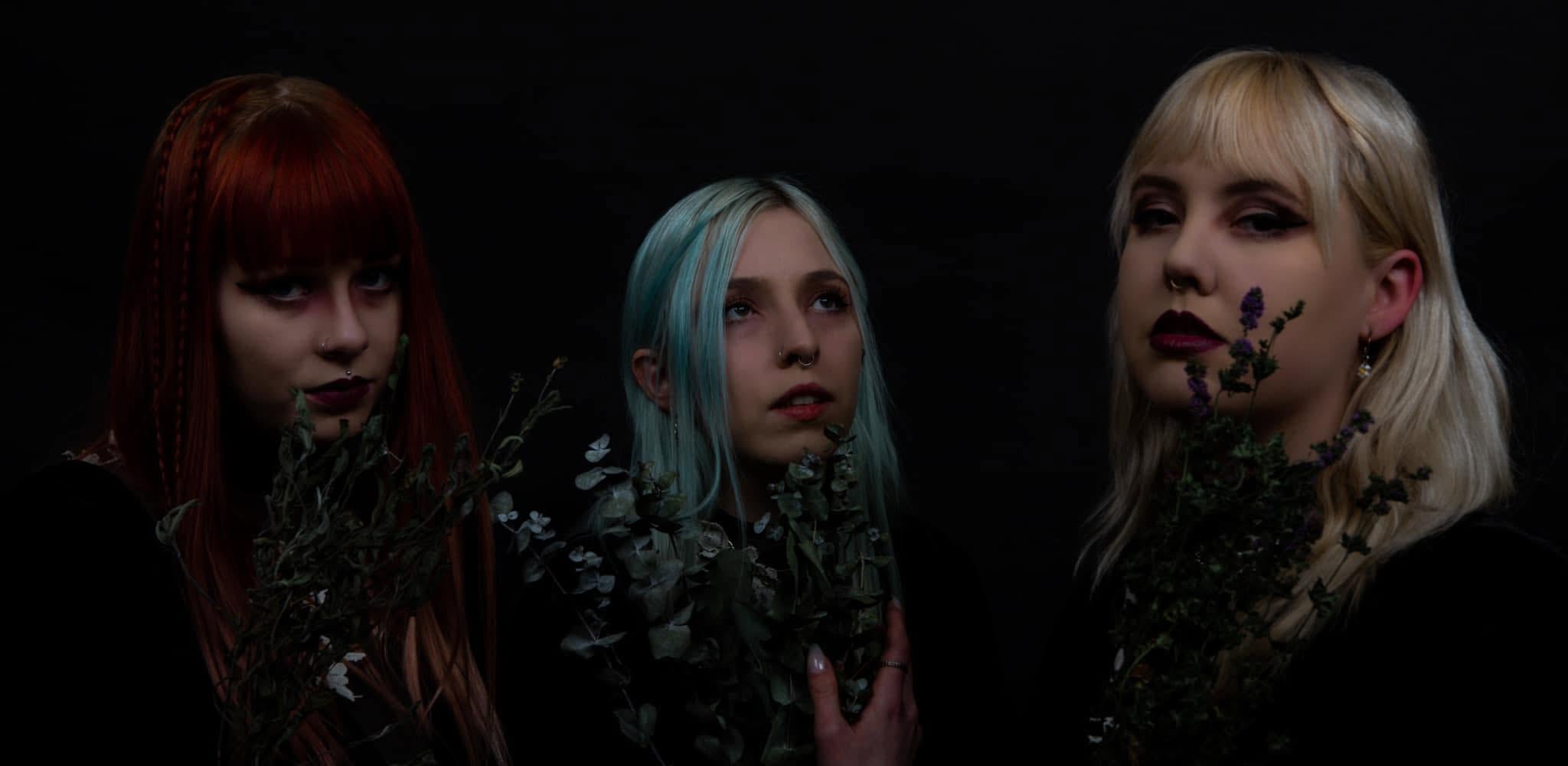
Gegründet wurde Kælan Mikla 2013 zunächst für einen Poetry-Slam-Wettbewerb in Reykjavík. Was eigentlich nur als gemeinsamer Auftritt gedacht war, entwickelte sich schnell zu einer eigenen Band. Heute gehört Kælan Mikla für mich zu den Acts, die den modernen Darkwave entscheidend mitprägen.
Musikalisch bewegt sich die Band zwischen Darkwave, Post-Punk, Coldwave, Synth-Punk und Gothic. Dunkle Synthesizer, treibende Basslinien und elektronische Rhythmen bilden die Grundlage. Darüber liegt der außergewöhnliche Gesang von Laufey Soffía, der zwischen zerbrechlich, verträumt und geradezu verzweifelt wechseln kann.
Genau dieser Gegensatz macht für mich den Reiz von Kælan Mikla aus. Ein Song kann zunächst fast wunderschön und verträumt wirken, bevor sich die Stimmung plötzlich verändert und wesentlich düsterer und intensiver wird. Diese Mischung aus Schönheit und Bedrohlichkeit zieht sich eigentlich durch die gesamte Musik der Band.
Auch die Herkunft aus Island ist für mich deutlich spürbar. Die Musik vermittelt häufig eine gewisse Kälte und Weite. Dazu kommen Elemente aus isländischer Folklore, Mythologie und Natur. Dadurch entsteht eine Atmosphäre, die man bei vielen anderen Darkwave-Bands so nicht findet.
Die ersten Veröffentlichungen entstanden bereits kurz nach der Gründung. Mit „Mánadans“ begann die musikalische Entwicklung, bevor 2016 das selbstbetitelte Album „Kælan Mikla“ erschien. Hier war bereits deutlich zu hören, in welche Richtung sich die Band entwickeln würde.
Ein wichtiger Schritt war dann „Nótt eftir nótt“ von 2018. Das Album machte Kælan Mikla auch außerhalb Islands deutlich bekannter. Songs wie „Draumadís“ zeigen sehr gut, wie die Band dunkle Post-Punk-Strukturen mit hypnotischen Synthesizern und einer fast traumartigen Atmosphäre verbindet.
Besonders fasziniert mich dabei die Stimme von Laufey Soffía. Sie kann unglaublich sanft und zerbrechlich klingen, gleichzeitig aber innerhalb eines Songs in einen intensiven und fast schreienden Ausdruck wechseln. Zusammen mit dem tiefen Bass und den Synthesizern entsteht dadurch ein Sound, der gleichzeitig verletzlich und kraftvoll wirkt.
2021 folgte „Undir Köldum Norðurljósum“. Schon der Titel – „Unter den kalten Nordlichtern“ – könnte kaum besser zu Kælan Mikla passen. Das Album wirkt weit, dunkel und teilweise fast wie ein Soundtrack zu einer nächtlichen Landschaft irgendwo im Norden.
Dabei bleibt die Band ihren Wurzeln treu, entwickelt ihren Sound aber gleichzeitig weiter. Post-Punk und Darkwave bilden weiterhin das Fundament, werden jedoch mit elektronischen Elementen und einer immer stärkeren atmosphärischen Tiefe verbunden.
Auch live haben Kælan Mikla längst bewiesen, dass sie mehr sind als nur eine interessante Studio-Band. Die Auftritte wirken intensiv und teilweise beinahe hypnotisch. Die Musik, die Optik und die besondere Bühnenpräsenz der drei Musikerinnen ergeben zusammen eine sehr eigene Atmosphäre.
Dass Kælan Mikla international Aufmerksamkeit bekommen haben, ist für mich deshalb keine große Überraschung. Die Band war unter anderem mit Alcest unterwegs und wurde von Robert Smith von The Cure für von ihm kuratierte Veranstaltungen ausgewählt. Auch Auftritte im Umfeld von Bands wie Placebo, Pixies, Slowdive und Deftones zeigen, dass Kælan Mikla längst über die klassische Darkwave-Szene hinaus wahrgenommen werden.
2018 erhielt die Band außerdem den Kraumur Award für das beste Album des Jahres in Island. Ein Jahr später wurden Kælan Mikla bei den Reykjavik Grapevine Awards als Best Live Band ausgezeichnet.
2024 folgte mit „The Phantom Carriage“ ein besonderes Projekt in Zusammenarbeit mit Bardi Johannsson. Dazu kam die Single „Stjörnuljós“, mit der die Band ihren musikalischen Weg weiterführte.
Was ich an Kælan Mikla besonders mag, ist diese einzigartige Verbindung aus Kälte und Schönheit. Die Musik ist dunkel, aber nicht einfach nur deprimierend. Sie besitzt etwas Mystisches, Märchenhaftes und teilweise sogar Hypnotisches. Gleichzeitig sorgen Bass und Rhythmus dafür, dass die Musik ihre Verbindung zum Post-Punk und zur Tanzfläche nie verliert.
Kælan Mikla erschaffen damit ihre ganz eigene Welt. Eine Welt aus kalten Synthesizern, tiefen Basslinien, dunklen Landschaften, nordischer Mythologie und einer Stimme, die zwischen Verletzlichkeit und Aggression pendelt.
Für mich gehören Kælan Mikla deshalb zu den Bands, die zeigen, wie vielseitig und spannend die heutige Darkwave-Szene sein kann. Sie greifen klassische Elemente aus Post-Punk und Coldwave auf, machen daraus aber etwas Eigenständiges und vor allem etwas, das unverwechselbar nach Kælan Mikla klingt.
Kælan Mikla stehen für isländischen Darkwave mit einer ganz eigenen Atmosphäre – kalt, mystisch, melancholisch und kraftvoll. Musik zwischen Post-Punk, Synth-Punk, Coldwave und Gothic, irgendwo zwischen Nordlicht, Dunkelheit, Mythologie und Tanzfläche.
Facebook:
https://www.facebook.com/KaelanmiklaouTb
Bandcamp:
https://kaelanmikla.bandcamp.com/
Instagram:
https://www.instagram.com/kaelanmikla
YouTube:
https://www.youtube.com/
Kælan Mikla – Band Profile
Kælan Mikla from Reykjavík are, for me, one of the most exciting bands to emerge from the modern Darkwave and Post-Punk scene. The three musicians, Laufey Soffía, Margrét Rósa Dóru-Harrysdóttir, and Sólveig Matthildur Kristjánsdóttir, have created a sound that feels cold, dark, melancholic, and incredibly atmospheric at the same time.
Kælan Mikla was formed in 2013, originally for a poetry slam competition in Reykjavík. What was initially intended as a one-off collaboration quickly developed into a real band. Today, Kælan Mikla are, for me, one of those acts that have helped shape the sound of modern Darkwave.
Musically, the band moves somewhere between Darkwave, Post-Punk, Coldwave, Synth-Punk, and Gothic. Dark synthesizers, driving basslines, and electronic rhythms form the foundation of their sound. Over this comes the extraordinary voice of Laufey Soffía, which can shift from fragile and dreamy to intense and almost desperate.
This contrast is exactly what makes Kælan Mikla so fascinating to me. A song can begin almost beautifully and dreamlike before suddenly changing direction and becoming much darker and more intense. This combination of beauty and menace runs through much of the band's music.
I also feel that their Icelandic background is clearly present in their sound. There is often a sense of coldness and vast open space in the music. Elements of Icelandic folklore, mythology, and nature also find their way into the band's atmosphere and visual world. This creates something that feels very different from many other Darkwave bands.
The first releases appeared shortly after the band's formation. Mánadans marked the beginning of their musical development, followed by the self-titled album Kælan Mikla in 2016. Even then, it was already clear which direction the band was beginning to take.
A major step forward came with Nótt eftir nótt in 2018. The album helped bring Kælan Mikla to a much wider international audience. Songs such as “Draumadís” show particularly well how the band combines dark Post-Punk structures with hypnotic synthesizers and an almost dreamlike atmosphere.
What fascinates me especially is Laufey Soffía's voice. It can sound incredibly soft and fragile, but within the same song it can suddenly turn into something intense and almost screaming. Together with the deep basslines and synthesizers, this creates a sound that feels both vulnerable and powerful.
In 2021, Undir Köldum Norðurljósum followed. Even the title — Under the Cold Northern Lights — could hardly fit Kælan Mikla better. The album feels vast, dark, and at times almost like the soundtrack to a night somewhere in the northern landscape.
The band remains connected to its roots while continuing to develop its sound. Post-Punk and Darkwave still form the foundation, but they are increasingly combined with electronic elements and an even deeper sense of atmosphere.
Kælan Mikla have also proven that they are much more than simply an interesting studio band. Their live performances can feel intense and almost hypnotic. The music, visual aesthetic, and the distinctive stage presence of the three musicians come together to create a world of their own.
It is therefore no surprise to me that Kælan Mikla have gained international attention. The band has toured with Alcest and was selected by Robert Smith of The Cure for events curated by him. Their appearances alongside artists such as Placebo, Pixies, Slowdive, and Deftones also show that Kælan Mikla have long moved beyond the boundaries of the traditional Darkwave scene.
In 2018, the band received the Kraumur Award for one of the year's outstanding albums in Iceland. A year later, Kælan Mikla were named Best Live Band at the Reykjavík Grapevine Awards.
In 2024, The Phantom Carriage, a special project created in collaboration with Bardi Jóhannsson, added another chapter to the band's story. The single “Stjörnuljós” also continued their musical journey.
What I particularly like about Kælan Mikla is this unique connection between coldness and beauty. The music is dark, but it is not simply depressing. There is something mystical, almost fairy-tale-like, and sometimes hypnotic about it. At the same time, the basslines and rhythms ensure that the music never loses its connection to Post-Punk and the dancefloor.
Kælan Mikla have created their own world — a world of cold synthesizers, deep basslines, dark landscapes, Nordic mythology, and a voice moving somewhere between vulnerability and aggression.
For me, Kælan Mikla are one of those bands that show just how diverse and exciting the modern Darkwave scene can be. They take classic elements of Post-Punk and Coldwave and transform them into something entirely their own — something that sounds unmistakably like Kælan Mikla.
Kælan Mikla stand for Icelandic Darkwave with a truly distinctive atmosphere — cold, mystical, melancholic, and powerful. Music somewhere between Post-Punk, Synth-Punk, Coldwave, and Gothic, caught between northern lights, darkness, mythology, and the dancefloor.
- Details
SINE
SINE ist das elektronische Projekt von Rona Rougeheart aus Austin, Texas. Musikalisch bewegt sich SINE zwischen Dark Electro, Industrial, EBM, Synthpop und elektronischer Musik. Für mich ist dabei besonders interessant, wie Rona Rougeheart harte elektronische Sounds mit einer sehr körperlichen, rhythmischen und gleichzeitig atmosphärischen Seite verbindet.

Die Musik von SINE lebt von treibenden Beats, tiefen Bässen, dunklen Synthesizern und industriellen Klangstrukturen. Dazu kommt die markante Stimme von Rona Rougeheart, die den Songs eine sehr eigene Persönlichkeit gibt. SINE selbst beschreibt die Musik gerne als „electronic boom“ – und genau das trifft es meiner Meinung nach ziemlich gut.
Hinter SINE steht Rona Rougeheart, die nicht nur singt, sondern auch Schlagzeug spielt und als Produzentin maßgeblich für den Sound verantwortlich ist. Gerade diese Kombination gefällt mir. Die Musik wirkt dadurch nicht einfach nur elektronisch und programmiert, sondern bekommt zusätzlich eine organische und körperliche Energie.
SINE wurde 2016 gegründet und hat sich seitdem von einem Projekt aus Austin zu einem international bekannten Act innerhalb der dunklen elektronischen Szene entwickelt. Dabei hat Rona Rougeheart von Anfang an ihren eigenen Weg verfolgt, ohne sich zu sehr an ein bestimmtes Genre zu binden.
2019 erschien mit „INSOMNIÆ“ das erste Album. Schon hier waren die wichtigsten Elemente des SINE-Sounds vorhanden: dunkle elektronische Atmosphären, druckvolle Rhythmen, Industrial-Elemente und eine starke Stimme.
Mit „Desire, Denial & Paramania“ wurde diese Richtung 2021 weiter ausgebaut. Dark Electro, Industrial und Synthpop verbinden sich hier zu einem Sound, der gleichzeitig hart, melodisch und sehr tanzbar sein kann.
2023 folgte die EP „Luxuria“, die für mich eine besonders interessante Seite von SINE zeigt. Die elektronischen Beats und industriellen Sounds bekommen hier eine sinnliche und teilweise hypnotische Wirkung. Gerade diese Verbindung von Härte und Verführung macht für mich einen Teil der Faszination von SINE aus.
Mit „Mantis“ erschien 2025 ein weiteres Album. Auch hier bleibt die typische Mischung aus elektronischer Energie, Industrial und dunkler Atmosphäre erhalten. Gleichzeitig wird deutlich, dass Rona Rougeheart ihren Sound immer weiterentwickelt und neue Einflüsse integriert.
2026 folgte „La Mordre“, das die dunkle und rhythmische Seite von SINE noch einmal deutlich hervorhebt. Songs wie „Goddess“, „Perilized Life“, „Succumb To Me“, „2 Die 4“, „Trauma Bondage“, „Bodies“, „Blood + Wine“, „Immortal Disco“, „Cruel“ und „Hypnophobia“ zeigen unterschiedliche Facetten des Projekts.
Was mir an SINE besonders gefällt, ist, dass die Musik trotz ihrer teilweise aggressiven und düsteren Atmosphäre niemals ausschließlich auf Härte setzt. Die Songs besitzen einen starken Groove und funktionieren dadurch auch hervorragend auf der Tanzfläche. Gleichzeitig sorgen die Synthesizer, Bässe und industriellen Elemente für diese dunkle und teilweise hypnotische Atmosphäre.
Auch live dürfte SINE besonders interessant sein. Rona Rougeheart verbindet Gesang, Schlagzeug und elektronische Sounds miteinander und schafft dadurch eine sehr direkte Performance. Das Ganze wirkt dadurch weniger wie eine klassische elektronische Live-Show und mehr wie eine Verbindung aus Konzert, Club und Performance.
Inzwischen ist SINE längst über die Grenzen von Austin hinaus bekannt. Durch internationale Veröffentlichungen, Kooperationen und Tourneen hat sich das Projekt einen festen Platz in der internationalen Industrial- und Dark-Electro-Szene erarbeitet.
Für mich ist SINE besonders spannend, weil hier Industrial-Härte, elektronischer Groove und eine starke weibliche Präsenz zusammenkommen. Die Musik kann düster und bedrohlich wirken, gleichzeitig aber auch sinnlich, kraftvoll und extrem tanzbar sein.
SINE ist deshalb für mich nicht einfach nur ein weiteres Dark-Electro-Projekt. Rona Rougeheart verbindet verschiedene Elemente zu einer eigenen musikalischen Sprache, bei der Rhythmus, Körperlichkeit, Atmosphäre und Selbstbestimmung eine wichtige Rolle spielen.
SINE steht für dunkle elektronische Energie – treibend, industriell, sinnlich und kraftvoll. Musik zwischen Dark Electro, EBM, Synthpop und Industrial, getragen von pulsierenden Beats, schweren Bässen, hypnotischen Synthesizern und der unverwechselbaren Präsenz von Rona Rougeheart.
Facebook:
https://www.facebook.com/SINEbandofficial
Patreon:
https://www.patreon.com/cw/ronarougeheart
Beacons:
https://beacons.ai/ronarougeheart
Webseite:
https://sine.band/
Bandcamp:
https://sineofficial.bandcamp.com/music
Instagram:
https://www.instagram.com/sinebandofficial
YouTube:
https://www.youtube.com/@SINEtv
SINE – Artist Profile
SINE is the electronic project of Rona Rougeheart from Austin, Texas. Musically, SINE moves between Dark Electro, Industrial, EBM, Synthpop, and electronic music. What I find particularly interesting is the way Rona Rougeheart combines hard electronic sounds with something very physical, rhythmic, and atmospheric.
SINE's music is built around driving beats, deep basslines, dark synthesizers, and industrial textures. On top of that comes Rona Rougeheart's distinctive voice, which gives the songs a very personal character. SINE describes its own sound as “electronic boom”, and I think that description fits quite well.
Rona Rougeheart is not only the vocalist behind SINE. She also plays drums and is heavily involved in the production of the project. I think this combination is an important part of what makes SINE stand out. The music does not feel purely programmed or mechanical, but has an additional organic and physical energy.
SINE was founded in 2016 and has since developed from a project based in Austin into an internationally recognized name within the darker electronic scene. From the beginning, Rona Rougeheart has followed her own path without trying to fit too closely into one particular genre.
The first album, INSOMNIÆ, was released in 2019. The essential elements of the SINE sound were already there: dark electronic atmospheres, powerful rhythms, industrial influences, and a strong vocal presence.
With Desire, Denial & Paramania in 2021, this direction was developed further. Dark Electro, Industrial, and Synthpop come together to create a sound that can be hard, melodic, and highly danceable at the same time.
The 2023 EP Luxuria shows another side of SINE that I find particularly interesting. The electronic beats and industrial sounds take on a sensual and sometimes hypnotic quality. For me, this combination of heaviness and seduction is an important part of what makes SINE so fascinating.
With Mantis, released in 2025, the project continued to develop. The characteristic mixture of electronic energy, Industrial, and dark atmosphere remains intact, while Rona Rougeheart continues to expand the sound and bring in new influences.
In 2026, La Mordre followed, once again highlighting the darker and highly rhythmic side of SINE. Tracks such as “Goddess,” “Perilized Life,” “Succumb To Me,” “2 Die 4,” “Trauma Bondage,” “Bodies,” “Blood + Wine,” “Immortal Disco,” “Cruel,” and “Hypnophobia” show different sides of the project.
What I particularly like about SINE is that despite its sometimes aggressive and dark atmosphere, the music is never based on heaviness alone. The songs have a strong groove and work extremely well on the dancefloor. At the same time, the synthesizers, basslines, and industrial elements create that dark and sometimes hypnotic atmosphere that is so characteristic of SINE.
I also find SINE particularly interesting as a live act. Rona Rougeheart combines vocals, drums, and electronic sounds, creating a very direct performance. It feels less like a traditional electronic live show and more like a combination of concert, club experience, and performance.
SINE has long since moved beyond its Austin roots. Through international releases, collaborations, and touring, the project has established itself within the international Industrial and Dark Electro scene.
For me, SINE is especially compelling because it brings together Industrial intensity, electronic groove, and a strong female presence. The music can feel dark and threatening, but at the same time sensual, powerful, and extremely danceable.
SINE is therefore much more than just another Dark Electro project. Rona Rougeheart combines different influences into her own musical language, with rhythm, physicality, atmosphere, and self-expression playing an important role.
SINE stands for dark electronic energy — driving, industrial, sensual, and powerful. Music somewhere between Dark Electro, EBM, Synthpop, and Industrial, carried by pulsating beats, heavy basslines, hypnotic synthesizers, and the unmistakable presence of Rona Rougeheart.
- Details
Julien-K
Julien-K ist eine US-amerikanische Electro-Rock-Band aus Long Beach, Kalifornien, die für mich besonders interessant ist, weil sie Rock und elektronische Musik auf eine sehr eigene Art miteinander verbindet. Musikalisch bewegt sich die Band zwischen Industrial Rock, Synth-Rock, Dark Electro, Electro und elektronischer Musik. Dabei entsteht ein Sound, der gleichzeitig düster, futuristisch, treibend und melodisch sein kann.
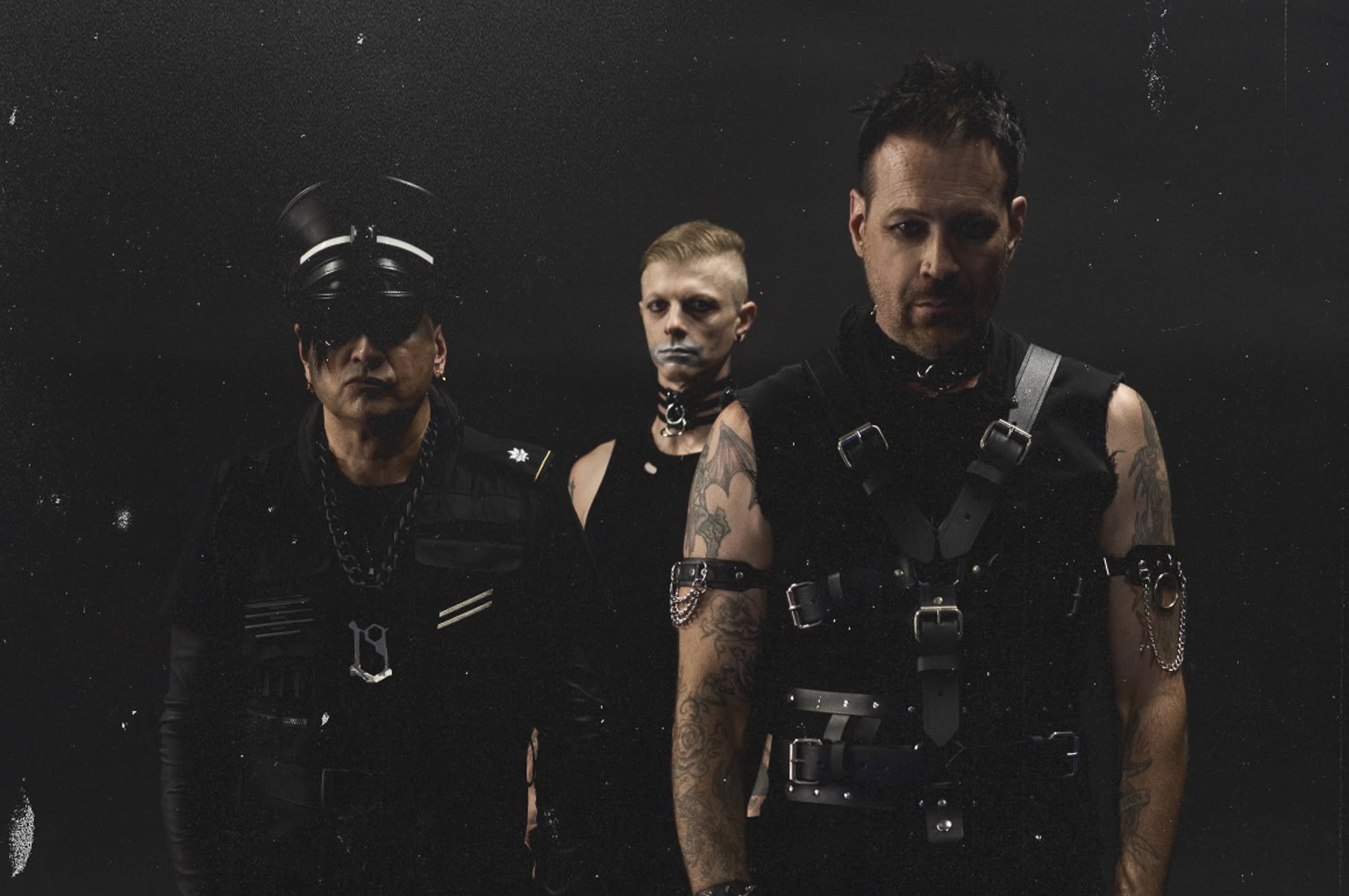
Gegründet wurde Julien-K 2003 von Ryan Shuck und Amir Derakh, die bereits gemeinsam bei Orgy aktiv waren. Julien-K entstand ursprünglich aus dem Wunsch heraus, musikalische Ideen umzusetzen, die innerhalb von Orgy keinen Platz fanden. Aus diesem Nebenprojekt entwickelte sich im Laufe der Jahre eine eigenständige Band mit einem ganz eigenen musikalischen und visuellen Stil.
Schon die frühen Songs zeigten, dass Julien-K nicht einfach eine weitere Rockband werden wollte. Elektronische Beats, Synthesizer und digitale Soundelemente treffen auf verzerrte Gitarren und markanten Gesang. Gerade diese Verbindung aus Rock und Elektronik gibt der Band ihren besonderen Charakter.
Songs wie „Look at You“, „Kick the Bass“, „Someday Soon“ und „Technical Difficulties“ zeigen bereits sehr deutlich diese Mischung. Besonders „Technical Difficulties“ wurde auch außerhalb der eigentlichen Szene bekannt und fand seinen Weg auf den Soundtrack von Transformers. Julien-K arbeitete außerdem an Musik für verschiedene Videospiele.
2009 erschien mit „Death to Analog“ das erste offizielle Studioalbum. Schon der Titel passt für mich sehr gut zur musikalischen Philosophie der Band. Analoges Rockinstrumentarium trifft auf digitale Produktion, Synthesizer und elektronische Beats. Das Album verbindet harte Gitarren mit Industrial-Elementen und elektronischer Atmosphäre und legte damit einen wichtigen Grundstein für den späteren Julien-K-Sound.
Mit „We're Here with You“ folgte 2012 ein weiteres Album, auf dem die elektronische Seite noch stärker in den Vordergrund rückte. Die Songs bewegen sich zwischen Electro-Rock, Synth-Rock und Industrial, bleiben dabei aber immer melodisch und zugänglich.
Besonders interessant finde ich das später entstandene „California Noir“-Konzept. Mit Veröffentlichungen wie „California Noir – Chapter One: Analog Beaches & Digital Cities“ und „Chapter Two: Nightlife in Neon“ entwickelte Julien-K eine eigene musikalische Welt.
Dabei wird Kalifornien nicht einfach nur als geografischer Ort dargestellt. Es geht vielmehr um die Vorstellung von Kalifornien als Mischung aus Sonne, Neon, Großstadt, Technologie, Nachtleben und Einsamkeit. Genau diese Gegensätze spiegeln sich auch in der Musik wider.
Für mich klingt Julien-K an manchen Stellen wie der Soundtrack zu einer nächtlichen Fahrt durch Los Angeles. Neonlichter, leere Straßen, Clubs, Hochhäuser und gleichzeitig dieses Gefühl von Distanz und Einsamkeit. Die Musik kann gleichzeitig futuristisch und sehr menschlich wirken.
Mit „Harmonic Disruptor“ aus dem Jahr 2020 ging Julien-K noch stärker in Richtung Industrial und elektronischer Rockmusik. Die Gitarren bleiben wichtig, werden aber immer wieder von Synthesizern, elektronischen Rhythmen und digitalen Soundelementen ergänzt.
Genau das macht Julien-K für mich so interessant: Die Band klingt nicht wie eine klassische Rockband, die irgendwann elektronische Elemente eingebaut hat. Vielmehr wirken Rock und Elektronik von Anfang an wie zwei gleichberechtigte Bestandteile des Sounds.
Natürlich gehört auch die musikalische Vergangenheit der Mitglieder zur Geschichte von Julien-K. Ryan Shuck und Amir Derakh waren bereits bei Orgy aktiv und arbeiteten außerdem im Umfeld von Dead by Sunrise mit Chester Bennington. Diese Erfahrungen aus unterschiedlichen Bereichen von Rock, Industrial und elektronischer Musik sind meiner Meinung nach deutlich im Julien-K-Sound zu erkennen.
Auch live hat sich Julien-K über die Jahre eine internationale Fangemeinde aufgebaut. Die Band war mehrfach in Europa unterwegs und spielte unter anderem in Deutschland, Frankreich, den Niederlanden und Großbritannien. Dabei funktioniert der Sound besonders gut auf der Bühne, weil die Kombination aus elektronischen Beats, Gitarren und visueller Atmosphäre eine sehr intensive Wirkung entwickeln kann.
Was ich an Julien-K besonders mag, ist die Verbindung von Dunkelheit und Energie. Die Musik besitzt oft eine gewisse Kälte und futuristische Distanz, gleichzeitig bleiben die Songs melodisch und emotional. Genau dieser Gegensatz zieht sich für mich durch viele Veröffentlichungen der Band.
Julien-K lässt sich deshalb auch nur schwer auf ein einzelnes Genre reduzieren. Industrial Rock, Synth-Rock, Dark Electro, Synthpop, Electro und elektronische Clubmusik gehören alle zu diesem musikalischen Kosmos. Die Band nimmt aus diesen verschiedenen Bereichen Elemente auf und verbindet sie zu einem eigenen Sound.
Für mich ist Julien-K deshalb längst mehr als ein Nebenprojekt ehemaliger Orgy-Mitglieder. Über mehr als zwei Jahrzehnte hat die Band eine eigene Identität entwickelt und immer wieder neue Wege gefunden, Rock und elektronische Musik miteinander zu verbinden.
Julien-K steht für dunklen Electro-Rock aus Kalifornien – treibend, futuristisch, atmosphärisch und melodisch. Musik zwischen Industrial, Synth-Rock und Dark Electro, irgendwo zwischen Neonlicht, Großstadt, Gitarren und der nächtlichen Clubwelt.
YouTube:
https://www.youtube.com/@officialjulienk
Webseite:
https://www.julienk.com/
Instagram:
https://www.instagram.com/julienkofficial
Facebook:
https://www.facebook.com/julienk
Julien-K – Band Profile
Julien-K is an American electro-rock band from Long Beach, California, and what I find particularly interesting about them is the way they combine rock and electronic music. Their sound moves between industrial rock, synth-rock, dark electro, electro, and electronic music, creating something that can be dark, futuristic, driving, and melodic at the same time.
Julien-K was formed in 2003 by Ryan Shuck and Amir Derakh, who were already working together in Orgy. The project originally came from their desire to explore musical ideas that did not really fit within Orgy. Over the years, Julien-K developed into a fully independent band with its own musical and visual identity.
Even the early material showed that Julien-K was not interested in becoming just another rock band. Electronic beats, synthesizers, and digital sound elements were combined with distorted guitars and distinctive vocals. This combination of rock and electronics is still one of the things that gives the band its unique character.
Songs such as “Look at You,” “Kick the Bass,” “Someday Soon,” and “Technical Difficulties” already demonstrate this approach. “Technical Difficulties” also reached a much wider audience through its inclusion on the Transformers soundtrack. Julien-K have also contributed music to various video game projects.
In 2009, the band released its first official studio album, Death to Analog. For me, the title fits the band's musical philosophy particularly well. Analog rock instrumentation meets digital production, synthesizers, and electronic beats. The album combines heavy guitars with industrial elements and electronic atmospheres, laying an important foundation for the Julien-K sound that would follow.
We're Here with You, released in 2012, pushed the electronic side of the band even further. The songs move between electro-rock, synth-rock, and industrial while remaining melodic and accessible.
I find the later “California Noir” concept particularly interesting. With releases such as California Noir – Chapter One: Analog Beaches & Digital Cities and Chapter Two: Nightlife in Neon, Julien-K created a distinctive musical world of their own.
California is not simply treated as a geographical location here. Instead, it becomes an idea built around sunshine, neon, the city, technology, nightlife, and loneliness. These contrasts are reflected throughout the music.
For me, Julien-K can sometimes sound like the soundtrack to a late-night drive through Los Angeles. Neon lights, empty streets, clubs, skyscrapers, and at the same time that feeling of distance and isolation. The music can feel futuristic while still being very human.
With Harmonic Disruptor in 2020, Julien-K moved even further toward industrial and electronic rock. Guitars remain an important part of the sound, but they are constantly surrounded by synthesizers, electronic rhythms, and digital textures.
That is exactly what I find so interesting about Julien-K. They do not sound like a traditional rock band that simply decided to add electronic elements. Rock and electronics feel like two equally important parts of their musical identity.
Of course, the musical history of the members is also an important part of the Julien-K story. Ryan Shuck and Amir Derakh were already established through Orgy and were also involved in Dead by Sunrise alongside Chester Bennington. Their experience across different areas of rock, industrial, and electronic music can clearly be felt in the Julien-K sound.
The band has also built an international following through its live performances. Julien-K have performed extensively in Europe, including shows in Germany, France, the Netherlands, and the United Kingdom. Their music works particularly well on stage, where electronic beats, guitars, and visual atmosphere can create a very intense experience.
What I particularly like about Julien-K is the combination of darkness and energy. The music often has a certain coldness and futuristic distance, while still remaining melodic and emotional. That contrast runs through much of the band's work.
Julien-K is therefore difficult to reduce to a single genre. Industrial rock, synth-rock, dark electro, synthpop, electro, and electronic club music are all part of their musical universe. The band takes elements from these different areas and turns them into something recognizably their own.
For me, Julien-K has long been much more than a side project formed by former Orgy members. Over more than two decades, the band has developed its own identity and has continued to find new ways of connecting rock with electronic music.
Julien-K stands for dark electro-rock from California — driving, futuristic, atmospheric, and melodic. Music somewhere between industrial, synth-rock, and dark electro, caught between neon lights, the city, guitars, and the world of the late-night club.
- Details
Kopetti
Kopetti ist ein elektronisches Solo-Projekt aus Stuttgart, das sich irgendwo zwischen Gothic, EBM, Darkpop, Synthpop und Neuer Deutscher Härte bewegt. Genau diese Mischung macht das Projekt für mich interessant, denn Kopetti versucht nicht, sich auf ein bestimmtes Genre festzulegen. Stattdessen werden unterschiedliche elektronische Einflüsse miteinander verbunden und daraus ein eigener Sound entwickelt.
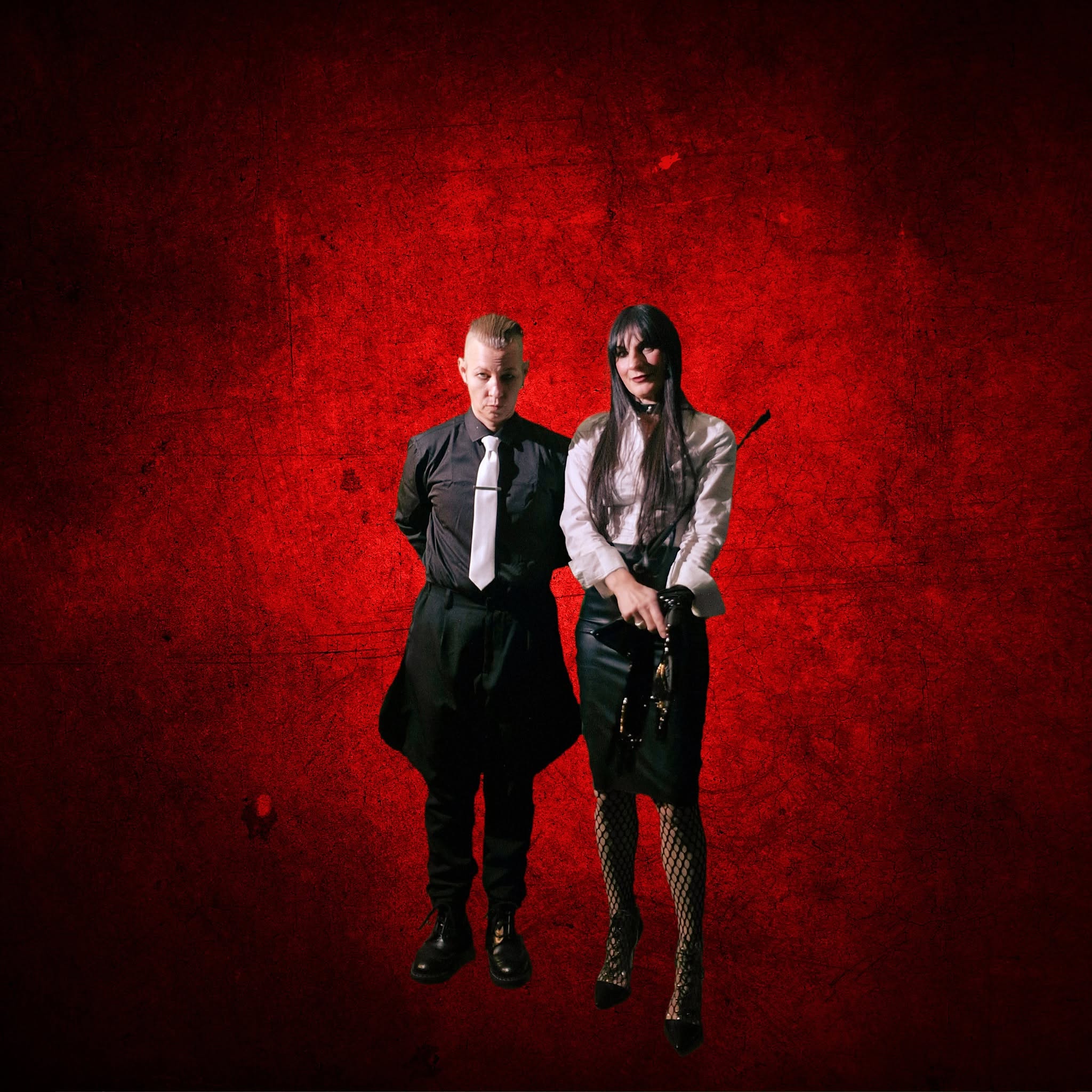
Kopetti gibt es bereits seit 2017. Am Anfang standen unter anderem die Soundtracks der frühen James-Bond-Filme als Inspiration. Daraus entwickelte sich mit der Zeit eine eigene musikalische Richtung, die schließlich im Album „Dark Times“ mündete, das 2021 veröffentlicht wurde.
Ebenfalls 2021 begann Kopetti verstärkt mit deutschsprachigen Texten zu arbeiten. Dadurch bekam das Projekt eine deutlich persönlichere und direktere Note. Die Musik bewegt sich zwischen dunklen Synthesizern, elektronischen Beats, Gothic-Atmosphäre und EBM, ohne dabei auf typische Genregrenzen Rücksicht zu nehmen.
Mit „Kopettiland“ erschien 2023 ein Album, das für mich sehr gut zeigt, wie eigenständig das Projekt inzwischen geworden ist. Kopetti erschafft hier eine eigene kleine musikalische Welt, in der düstere elektronische Klänge genauso ihren Platz haben wie ungewöhnliche Themen, teilweise ironische Momente und eine gewisse Verspieltheit.
2025 folgte „Dystopie“, später auch als Deluxe Edition. Hier wird die elektronische und teilweise deutlich härtere Seite von Kopetti besonders sichtbar. EBM, Dark Electro und Elemente der Neuen Deutschen Härte treffen auf Synthpop und Gothic. Gleichzeitig bleibt genügend Raum für melodische Passagen und ungewöhnliche Songideen.
Titel wie „Alpenfieber“, „Amor“, „Feuer und Wasser“, „Marie“, „Rubbeldiekatz“, „Alles für die Mutter“ oder „Winter kehrt ein“ zeigen bereits, dass Kopetti nicht unbedingt den klassischen Weg geht. Allein die unterschiedlichen Themen machen deutlich, dass hier gerne mit Erwartungen gespielt wird.
Auch die Veröffentlichungen rund um „Maschinenmensch“, „Volkstanz“ und „Spiel“ passen gut in dieses Konzept. Gerade „Maschinenmensch“ verbindet die elektronische Seite des Projekts mit der Frage nach dem Verhältnis zwischen Mensch und Technik – ein Thema, das gerade in der elektronischen Musik immer wieder eine wichtige Rolle spielt.
2026 ging es mit „Leise Reise“ in eine etwas andere Richtung. Das Album beziehungsweise die spätere Special Edition zeigt, dass Kopetti nicht ausschließlich auf harte Clubtracks setzt. Zwischen elektronischen Beats und dunklen Klangflächen finden sich auch ruhigere und atmosphärischere Momente.
Songs wie „Leise Reise“, „Abendland“, „Intermezzo“, „Mein Herz brennt (Volkstanz)“ oder „Der Wind und das Meer“ zeigen diese etwas breitere Seite des Projekts. Gerade dieser Wechsel zwischen Härte, Melodie und Atmosphäre gefällt mir an Kopetti.
Mit „Schwarze Sonne“ und verschiedenen Remixen wurde 2026 außerdem wieder die dunklere elektronische Seite hervorgeholt. Damit bleibt Kopetti in Bewegung und entwickelt den eigenen Sound weiter, anstatt sich auf das bisher Erreichte zu verlassen.
Was ich an Kopetti besonders interessant finde, ist diese musikalische Freiheit. Hier wird nicht versucht, möglichst genau nach einem bestimmten Vorbild zu klingen. Gothic, EBM, Synthpop, Darkpop und Neue Deutsche Härte sind eher verschiedene Zutaten, aus denen Kopetti etwas Eigenes macht.
Dazu kommen die deutschsprachigen Texte, die dem Projekt eine ganz eigene Identität geben. Sie wirken teilweise direkt, manchmal ungewöhnlich oder ironisch und passen dadurch sehr gut zu einer Musik, die sich ebenfalls nicht immer eindeutig einordnen lässt.
Für mich ist Kopetti deshalb ein interessantes Beispiel dafür, wie vielseitig elektronische Musik aus Deutschland heute sein kann. Das Projekt verbindet unterschiedliche Szenestile, ohne sich vollständig einem davon unterzuordnen.
Kopetti steht für dunkle elektronische Musik aus Stuttgart – zwischen Gothic, EBM, Synthpop, Darkpop und Neuer Deutscher Härte. Mal treibend und düster, mal melodisch und verspielt, aber vor allem eigenständig und mit einer ganz eigenen musikalischen Handschrift.
Facebook:
https://www.facebook.com/
Homepage:
https://www.kopettiland.de/
YouTube:
https://www.youtube.com/@kopetti5198
Instagram:
https://www.instagram.com/kopetti_official/
Kopetti – Artist Profile
Kopetti is an electronic solo project from Stuttgart, Germany, moving somewhere between gothic, EBM, darkpop, synthpop, and Neue Deutsche Härte. What makes the project interesting to me is that Kopetti does not try to fit neatly into one particular genre. Instead, different electronic influences are brought together to create a sound with its own identity.
Kopetti has been active since 2017. In the beginning, the project was influenced, among other things, by the soundtracks of the early James Bond films. Over time, these influences developed into a much more personal musical direction, eventually leading to the album Dark Times, released in 2021.
That same year, Kopetti increasingly began working with German-language lyrics, giving the project a more direct and personal character. The music moves between dark synthesizers, electronic beats, gothic atmospheres, and EBM influences without worrying too much about traditional genre boundaries.
With Kopettiland, released in 2023, the project further developed its own musical world. For me, the album shows particularly well how individual Kopetti had become by this point. Dark electronic sounds are combined with unusual subjects, occasionally ironic moments, and a certain playful quality.
In 2025, Dystopie followed, later expanded as a deluxe edition. This release highlights the harder electronic side of Kopetti. EBM, dark electro, and elements of Neue Deutsche Härte meet synthpop and gothic influences. At the same time, there is still plenty of room for melodic passages and unconventional songwriting.
Tracks such as “Alpenfieber,” “Amor,” “Feuer und Wasser,” “Marie,” “Rubbeldiekatz,” “Alles für die Mutter,” and “Winter kehrt ein” already show that Kopetti does not necessarily follow the conventional path. Even the variety of subjects makes it clear that the project enjoys playing with expectations.
The releases surrounding “Maschinenmensch,” “Volkstanz,” and “Spiel” fit well into this concept. “Maschinenmensch” in particular connects the electronic side of the project with the relationship between humans and technology — a subject that has always played an important role in electronic music.
In 2026, Leise Reise took Kopetti in a somewhat different direction. The album and its later special edition demonstrate that the project is not limited to hard club-oriented tracks. Alongside electronic beats and dark soundscapes, there are also quieter and more atmospheric moments.
Tracks such as “Leise Reise,” “Abendland,” “Intermezzo,” “Mein Herz brennt (Volkstanz),” and “Der Wind und das Meer” reveal this broader side of Kopetti. I particularly like this contrast between intensity, melody, and atmosphere.
With “Schwarze Sonne” and several remixes, Kopetti also returned to the darker electronic side of the project in 2026. It shows that the project continues to evolve rather than simply repeating what has already worked.
What I find particularly interesting about Kopetti is this musical freedom. The goal does not seem to be to sound exactly like a particular artist or genre. Gothic, EBM, synthpop, darkpop, and Neue Deutsche Härte are more like different ingredients that Kopetti combines into something personal.
The German-language lyrics are another important part of that identity. They can be direct, unusual, playful, or occasionally ironic, which fits very well with music that also refuses to be easily categorized.
For me, Kopetti is therefore an interesting example of how diverse electronic music from Germany can be today. The project brings together different elements of the darker electronic scene without completely belonging to any one of them.
Kopetti stands for dark electronic music from Stuttgart — somewhere between gothic, EBM, synthpop, darkpop, and Neue Deutsche Härte. Sometimes driving and dark, sometimes melodic and playful, but above all independent and unmistakably its own.
